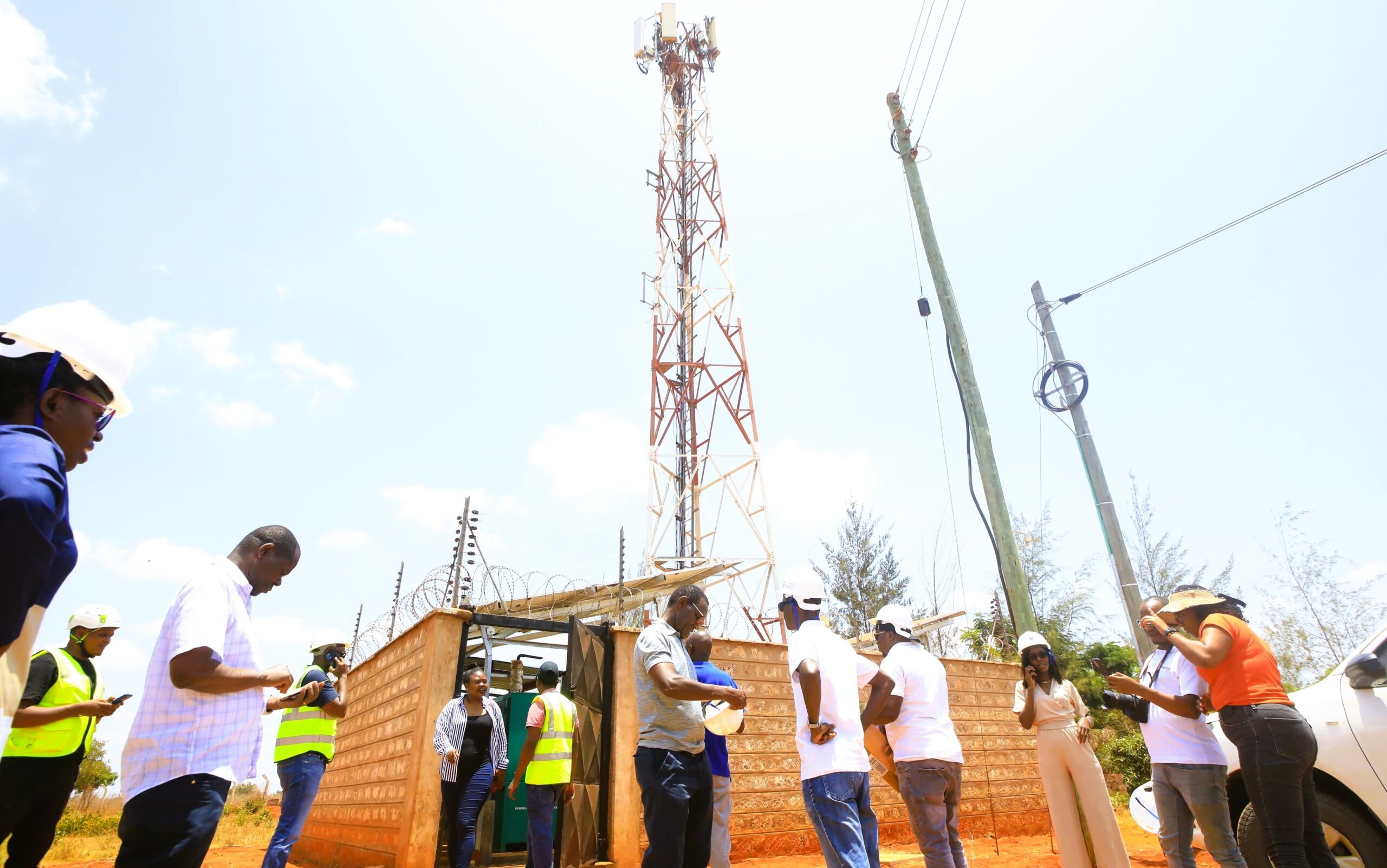
The government has launched a Sh670 million solar powered water project at Baricho in Kilifi County, signaling a shift in national policy towards integrating renewable energy into critical water infrastructure. The initiative is designed to cut the high cost of water production and supply to Kilifi and Mombasa counties by reducing reliance on grid electricity, while strengthening water security in a region that has long faced recurrent shortages and rising operational costs.
The national government’s unveiling of a Sh670 million solar powered water project at Baricho marks a decisive shift in how Kenya is tackling the twin challenges of rising utility costs and climate stress in water scarce regions. By integrating large scale solar generation directly into water production infrastructure, the State is signaling that energy reform is now central to water security, service affordability, and long-term economic resilience at the Coast.
The Baricho Solar Water Project, implemented by the Coast Water Works Development Agency with development financing support, targets one of the most persistent cost drivers in coastal water supply: electricity intensive pumping across long distances and difficult terrain. For years, water utilities serving Kilifi, Mombasa and Malindi have faced monthly power bills running into tens of millions of shillings, a burden that has constrained operations, disrupted supply, and limited investment in network expansion.
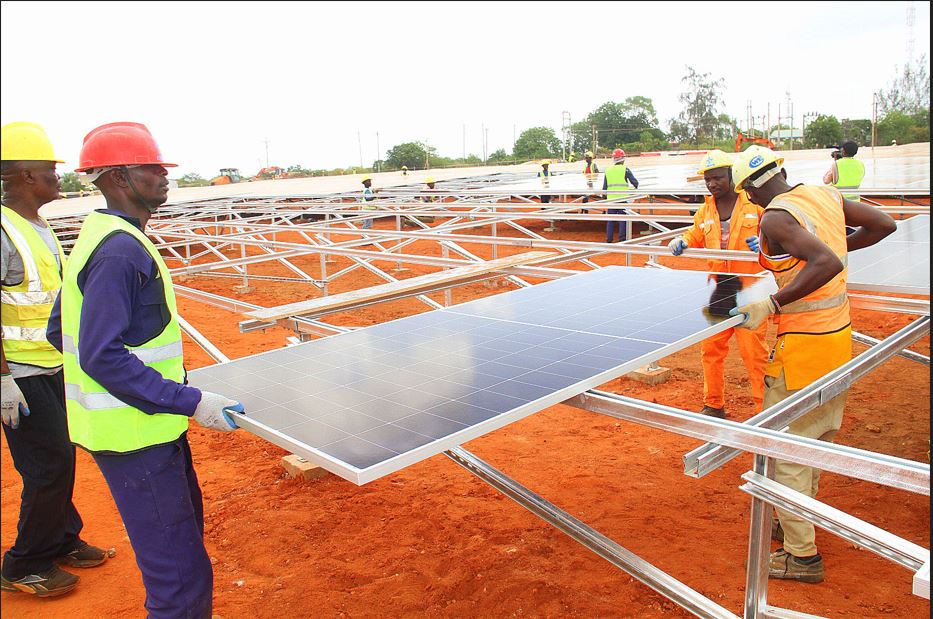
By deploying a 4.6-megawatt solar plant to power boreholes and high lift pumps, the government is deliberately lowering the structural cost of producing and delivering water. Daytime pumping powered by solar energy sharply reduces reliance on grid electricity, stabilizes operating budgets, and shields utilities from tariff volatility. Over time, these savings create fiscal space for improved maintenance, network upgrades, and gradual reduction of consumer tariffs, particularly for low income households that are most exposed to water price shocks.
Operationally, the project strengthens reliability in a region where power interruptions and drought cycles have repeatedly undermined supply continuity. Hybrid system design ensures pumping continues even during periods of low solar output, while planned future integration of energy storage and smart systems positions the infrastructure for full climate resilience. For water stressed coastal communities, this translates into fewer outages, more predictable supply, and improved capacity to meet rising urban and peri urban demand.
Economically, the implications extend well beyond utility balance sheets. Affordable and reliable water is a foundational input for tourism, manufacturing, fisheries, agribusiness, and micro and small enterprises that dominate the coastal economy. Hotels, food processors, fish handling facilities, and informal businesses all depend on consistent water access to operate efficiently and competitively. Lower water production costs reduce the cost of doing business, improve service delivery to informal settlements, and enhance household welfare in arid and semi-arid zones where women and youth often bear the burden of water scarcity.
Strategically, the project sits squarely within President William Ruto’s Bottom Up Economic Transformation Agenda, which prioritizes reducing the cost of essential services, strengthening productive sectors, and using targeted public investment to unlock local economic potential. It also advances Kenya Vision 2030 goals on water security, renewable energy adoption, and climate resilient infrastructure, while reinforcing national commitments to universal access to clean water and sustainable development.
The Baricho initiative also demonstrates the importance of coordinated execution across levels of government and agencies. National leadership, county governments of Kilifi and Mombasa, water utilities, and energy institutions have aligned planning, financing, and implementation under a shared water and energy transition agenda. Such intergovernmental coordination is essential to avoid fragmented infrastructure, ensure economies of scale, and deliver projects that respond to real service delivery gaps on the ground.
Equally critical is the focus on governance and implementation safeguards. Transparent procurement, lifecycle cost management, and infrastructure designed for harsh coastal conditions are central to protecting public value. The integration of modern solar systems, digital monitoring, smart metering, and future energy storage reduces operational risk while enhancing accountability and performance tracking. Community engagement and utility level reforms remain vital to ensuring that efficiency gains translate into affordability and equitable access, particularly for low income households, women, youth, and climate vulnerable populations.
As Kenya accelerates its transition to green infrastructure, the Baricho solar water project stands out as a practical model of people centered development. It shows how climate smart investment can lower the cost of essential services, strengthen resilience, and turn public utilities into engines of inclusive growth. For Kilifi and Mombasa, the project is more than an energy upgrade. It is a strategic intervention that positions the Coast as a more resilient, productive, and competitive regional economy within Kenya’s broader development trajectory.
Kenya’s Affordable Housing Programme (AHP), accessible through the Boma Yangu platform, stands as a flagship government initiative to deliver decent, safe, and affordable homes to low- and middle-income...
Read moreDetails