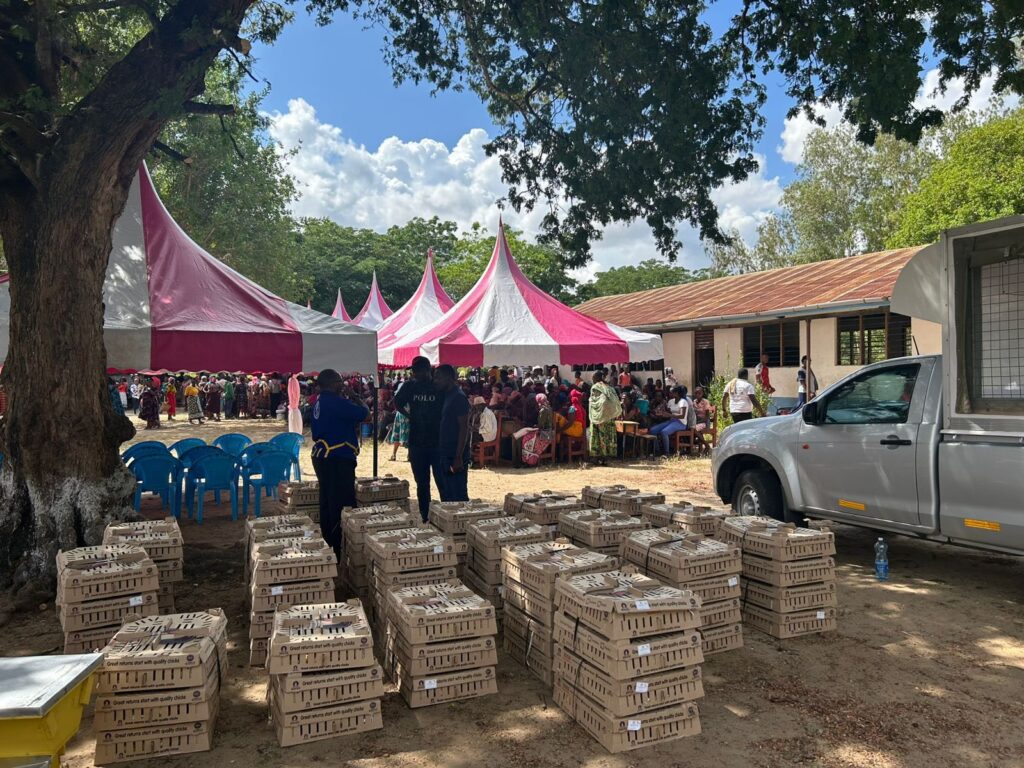
The government’s distribution of 6,000 day old chicks, modern beehives and the commissioning of a solar powered milk cooler in Lamu County marks a deliberate policy shift from subsistence livestock support to structured value chain development in arid and semi arid regions.
Rather than isolated input handouts, the intervention reflects an integrated agribusiness strategy that links production, preservation, value addition and market access. By simultaneously strengthening poultry, apiculture and dairy systems, the programme addresses income diversification, climate resilience and post harvest loss reduction, which remain persistent constraints for smallholders in coastal ASAL counties.
The solar powered milk cooler installed at the Witu Livestock Cooperative directly targets one of the most critical weaknesses in the dairy value chain, milk spoilage. Cooling infrastructure enables farmers to aggregate and store milk safely, improving quality consistency and extending shelf life. This strengthens bargaining power with buyers, stabilizes prices and allows cooperatives to explore higher value dairy products such as yoghurt and fermented milk, rather than relying on distress sales.
Renewable energy use is central to the policy significance of the cooler. Solar powered systems lower operating costs, reduce dependence on unreliable grid electricity and ensure continuity during drought induced power disruptions. In ASAL regions where energy access limits agribusiness growth, renewable powered infrastructure is no longer optional but foundational to value chain competitiveness.
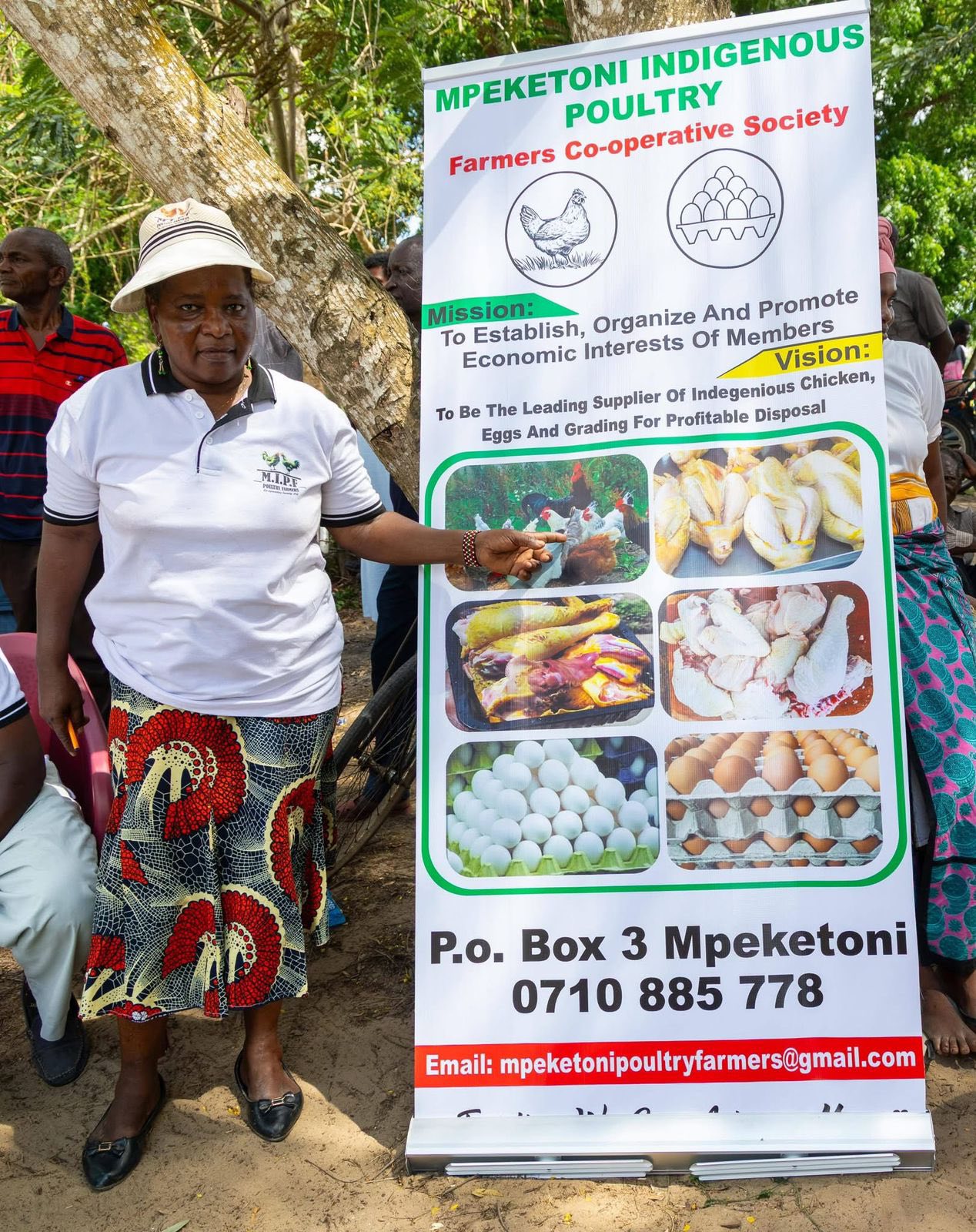
The distribution of improved poultry chicks introduces a fast turnover income stream that is particularly well suited to women and youth. Poultry production requires limited land, delivers quick returns and integrates easily with household economies. When combined with cooperative aggregation and local market access, it offers a pathway for youth employment and women led micro enterprises without high capital barriers.
Beekeeping support complements this model by promoting climate smart livelihoods that thrive in dry ecosystems. Apiculture enhances incomes without competing for water or grazing resources, while supporting biodiversity and crop pollination. Honey and wax also offer strong value addition potential, particularly for organized producer groups targeting urban and export niche markets.
From a national policy perspective, the Lamu intervention aligns closely with Kenya’s food security and economic empowerment agenda. Livestock commercialization, value addition and loss reduction are central pillars of agricultural transformation under current government strategy. By anchoring support in cooperatives, the programme reinforces collective marketing, access to finance and scale efficiencies that individual farmers cannot achieve alone.
The focus on integrated farming systems also builds resilience against climate shocks. Diversified income streams across dairy, poultry and apiculture reduce household vulnerability to drought, disease outbreaks or market volatility affecting any single enterprise. This approach is especially critical in ASAL counties where climate risks are structural rather than episodic.
Beyond farm level impact, the intervention has wider economic implications for Lamu. Strengthened livestock value chains support downstream activities including transport, processing, packaging and trade. This creates local employment, retains value within the county and supports broader rural industrialization objectives.
Ultimately, the Lamu rollout demonstrates how targeted public investment, when anchored in climate smart technology and value chain logic, can convert livestock from a survival asset into a growth engine. It offers a replicable model for ASAL counties seeking inclusive growth, resilient livelihoods and sustainable rural transformation through agribusiness rather than aid dependency.