Kenya’s decision to host the Global Conservation Tech and Drone Forum in March 2026 is not a ceremonial achievement. It is a calculated policy move that places the country at the centre of a fast-evolving global shift where conservation, technology, security and tourism converge. By anchoring the forum in Nairobi and Konza Technopolis, Kenya is signaling that the future of wildlife protection and ecosystem management will be designed, tested and scaled from Africa.
The forum aligns squarely with Kenya’s national conservation priorities and its long-term environmental security agenda. For over a decade, the country has invested in integrating surveillance technology, data systems and scientific research into wildlife management. Hosting this global gathering elevates those efforts from national practice to international reference point, reinforcing Kenya’s role as a leader rather than a follower in conservation innovation.
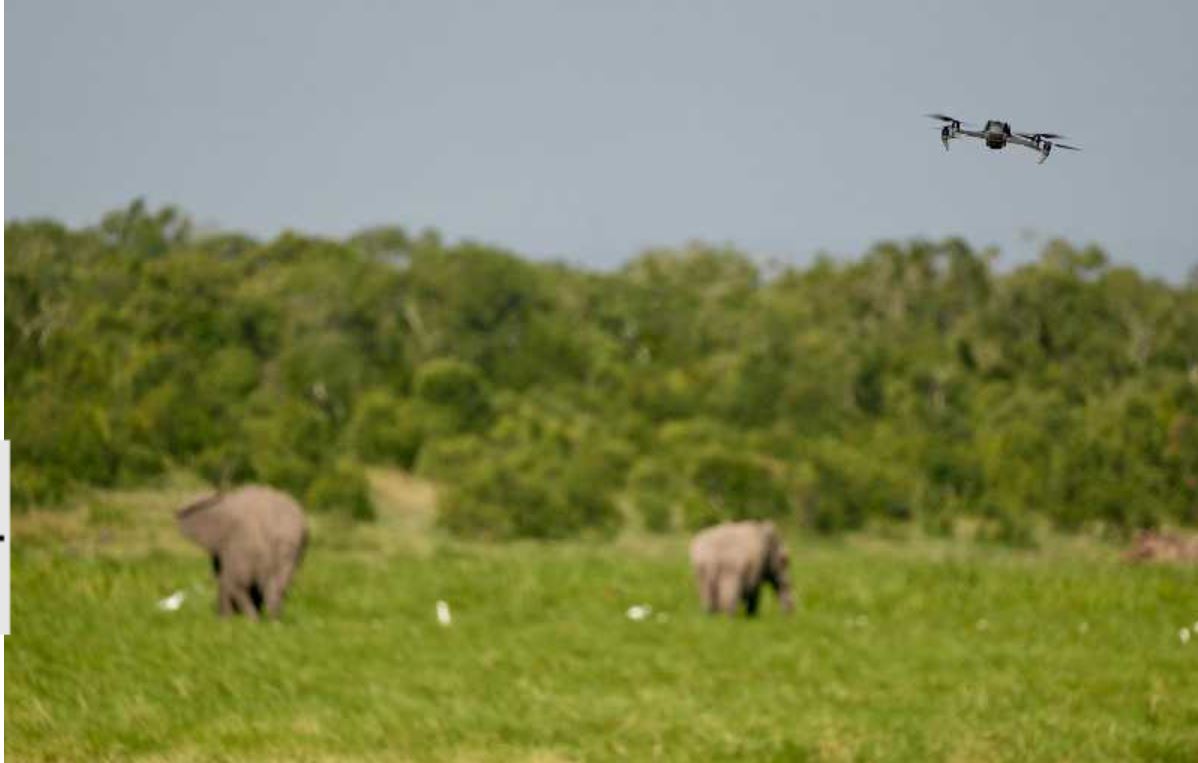
At the core of the forum is the operational use of drones, satellite sensors, artificial intelligence and geographic information systems to close enforcement gaps that have historically undermined conservation outcomes. Drone surveillance has already transformed anti-poaching operations by extending ranger visibility across vast and difficult terrain, enabling rapid response and deterring organized wildlife crime. Real time monitoring of wildlife corridors strengthens land use planning and reduces human wildlife conflict, a persistent threat to both biodiversity and community livelihoods.
These technologies are no longer experimental. They are becoming essential infrastructure for conservation states. Smart ecosystem management tools allow authorities to track habitat health, water stress and animal movement patterns with precision, improving decision making and reducing costly trial and error interventions. By convening global experts and practitioners, Kenya is accelerating the standardization and ethical deployment of these tools across the region.
The strategic value of the forum also lies in its tourism impact. Advanced conservation technology enhances wildlife safety, stabilizes ecosystems and improves the reliability of sightings across protected areas. This directly supports premium tourism experiences built around conservation transparency, innovation and sustainability. High value eco tourists are increasingly drawn to destinations where protection is demonstrably effective and where conservation outcomes are measurable.
Beyond visitors, the forum will attract investors, technology firms and international delegations seeking scalable conservation solutions. Kenya stands to benefit from partnerships that bring capital, research capacity and manufacturing potential into the conservation technology ecosystem. Konza Technopolis in particular offers a platform for turning pilot projects into commercial and policy ready systems with regional applications.
International collaboration remains a critical dimension. Biodiversity loss, wildlife crime and climate pressure do not respect national borders. By hosting an open and globally accessible forum, Kenya is positioning itself as a convenor of shared solutions and a broker of cross border conservation intelligence. This strengthens regional ecological resilience and reinforces Kenya’s diplomatic standing in global environmental governance.
The long-term gains are clear. Technology driven conservation infrastructure enhances national security, supports tourism led economic growth and safeguards natural capital that underpins rural livelihoods. Kenya’s hosting of the Global Conservation Tech and Drone Forum is therefore not just about innovation. It is about asserting leadership in a future where environmental stewardship, economic strategy and technological capability are inseparable.