“Sh5tn Infrastructure Push Targets Roads, Rail, Energy and Housing to Rebuild Kenya’s Economy ”
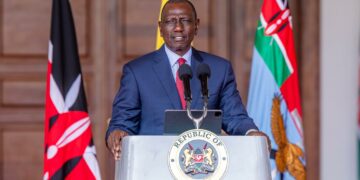
Kenya is setting the stage for one of the most ambitious economic transformations in its history with the proposed Sh5 trillion National Infrastructure Fund (NIF), a flagship initiative aimed at propelling the country from a third-world economy to first-world status. Announced by President William Ruto, the fund is designed as a long-term financing instrument to unlock large-scale capital for infrastructure, productivity, and inclusive growth, positioning infrastructure as the backbone of national development.
At the heart of the plan is the recognition that modern, efficient infrastructure is inseparable from economic competitiveness. By mobilising Sh5 trillion, the government seeks to remove long-standing bottlenecks that have constrained trade, industrialisation, and regional integration. Improved connectivity is expected to lower the cost of doing business, stimulate private investment, and accelerate economic expansion across all sectors of the economy.
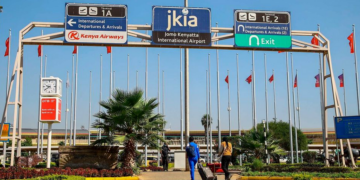
A significant portion of the fund will be channelled into roads and transport networks, including the dualling of 2,500 kilometres of highways and the tarmacking of 28,000 kilometres of roads nationwide. These projects aim to improve internal mobility, enhance access to markets, and integrate rural economies into national and regional value chains. Complementing this is the planned expansion of Jomo Kenyatta International Airport, as well as the modernisation of the ports of Mombasa and Lamu, reinforcing Kenya’s role as a regional logistics and trade hub.
Rail infrastructure also features prominently in the transformation agenda, with the extension of the Standard Gauge Railway from Naivasha to the Uganda border. This project is expected to deepen regional trade, reduce cargo transport costs, and strengthen Kenya’s strategic position within the East African Community. Together, road, rail, air, and maritime investments form a unified transport ecosystem critical for sustained economic growth.
Beyond transport, the NIF places strong emphasis on food security and climate resilience. Plans to construct 50 mega dams, 200 mini-dams, and 1,000 micro-dams are aimed at bringing 2.5 million acres under irrigation. This shift is expected to stabilise agricultural production, reduce reliance on rain-fed farming, and support agro-processing industries, thereby boosting incomes, employment, and export potential.
Energy development is another pillar of the Sh5 trillion programme, with the generation of an additional 10,000 megawatts to power industrialisation, value addition, and manufacturing. Reliable and affordable energy is expected to catalyse investment in factories, technology, and services, moving the economy up the value chain while supporting Kenya’s long-term vision of becoming a middle- to high-income industrialised nation.
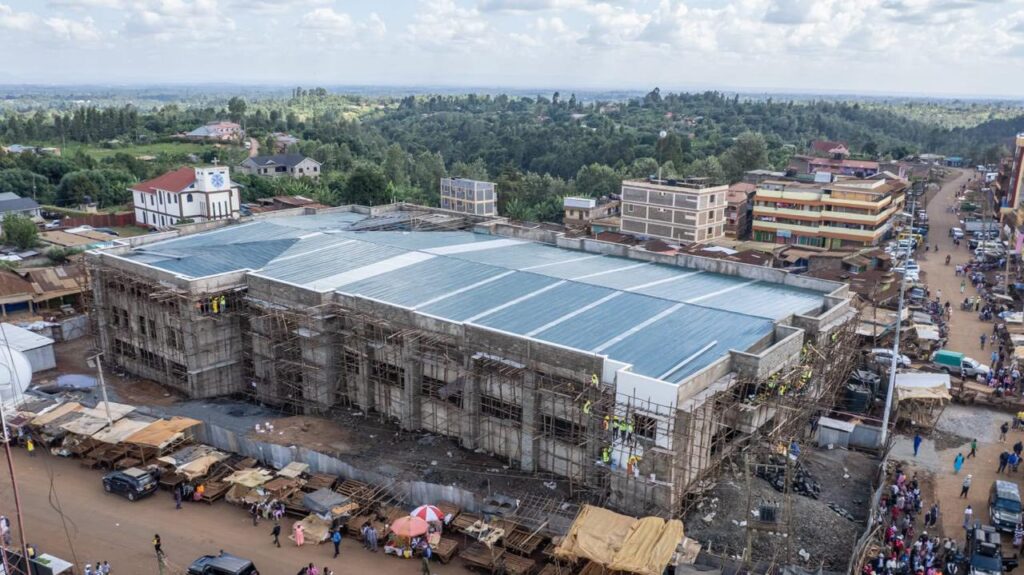
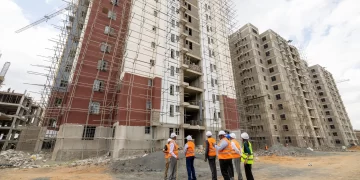
Housing is also a central pillar of the Sh5 trillion infrastructure-led growth strategy, reflecting the government’s focus on inclusive urban development and social stability. Under the affordable housing programme, the State is constructing 240,000 housing units across the country to address the chronic housing deficit while creating jobs in construction and allied industries. In parallel, the government is developing 400 modern markets to support small and medium enterprises, improve urban trade infrastructure, and formalise informal businesses. These investments are expected to stimulate local economies, raise household incomes, and enhance the quality of life, ensuring that the broader infrastructure transformation directly benefits ordinary Kenyans.
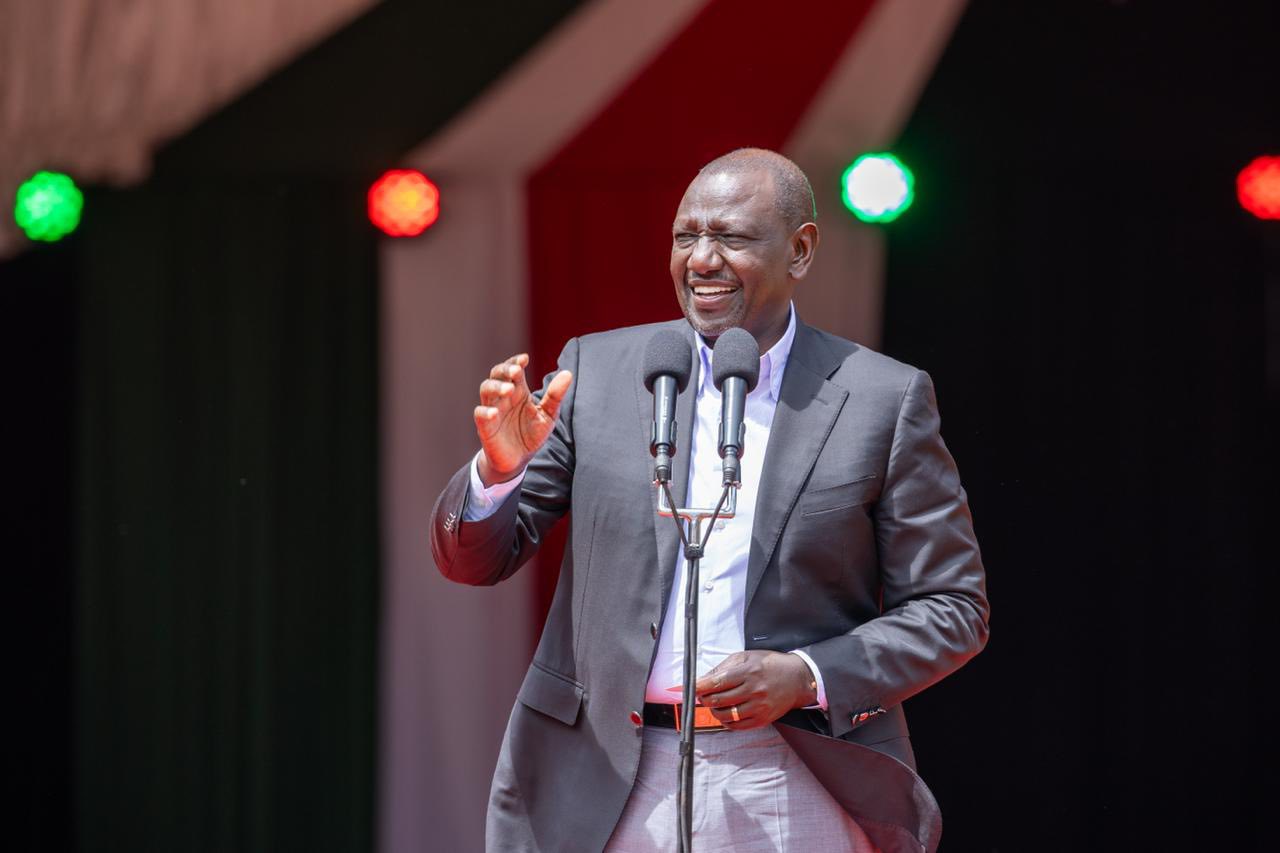
Speaking in Kiambu County, President Ruto framed the infrastructure drive as both an economic and national unity project, urging leaders to abandon divisive politics and focus on service delivery. He underscored that elections are temporary but development is continuous, dismissing claims that the agenda is unattainable. With parallel investments in affordable housing, modern markets, and student hostels, the National Infrastructure Fund represents a comprehensive strategy to eradicate poverty, create jobs, and lay the foundations for Kenya’s transition to first-world economic status.