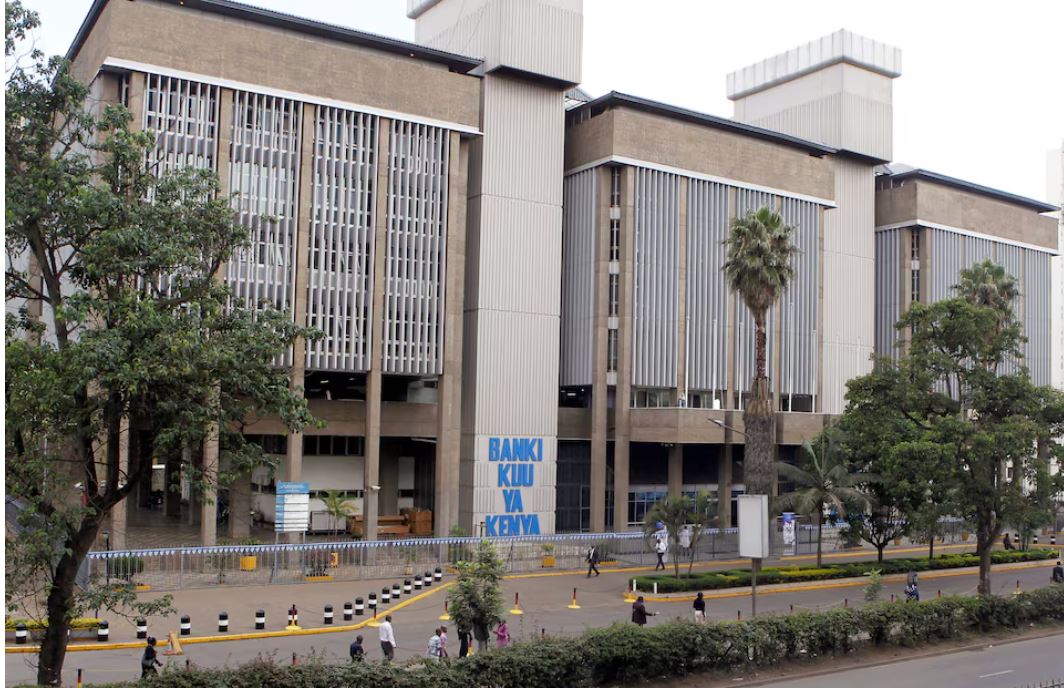
Kenya’s latest monetary policy shift has set the stage for a renewed drive toward cheaper credit and stronger private-sector activity after the Central Bank of Kenya lowered the lending rate to 9.0 percent. This marks the ninth straight reduction, underscoring the Kenya Kwanza administration’s commitment to restoring economic momentum as inflation cools and national financial indicators firm up.
The Monetary Policy Committee delivered the cut at a time when inflation is moderating, liquidity within the financial system is improving, and key productive sectors are showing early signs of recovery. The move aligns with the government’s economic stabilization programme, which aims to make borrowing more affordable, widen access to finance, and unlock new investment opportunities for households, farmers, manufacturers and small enterprises.
Kenya’s inflation slowed to 4.5 percent in November, supported by declining processed food prices, steady energy costs and a stable exchange rate. Core inflation fell to 2.3 percent, reflecting sustained stability across essential consumer items. Central Bank projections indicate inflation will likely remain close to the lower side of the target range, creating space for continued easing in the cost of credit.
CBK’s latest financial stability assessment shows stronger liquidity across banks, a reduction in non-performing loans and more resilient banking sector balance sheets. These developments are expected to enhance the impact of monetary policy and strengthen banks’ ability to extend cheaper loans.
Economic data for the first half of 2025 points to GDP growth of 4.9 percent, with national forecasts projecting 5.2 percent growth in 2025 and 5.5 percent in 2026. Manufacturing activity is stabilizing after prolonged global disruptions, agriculture is strengthening due to improved food supply chains, and MSME activity is recovering on the back of government credit programmes.
Economists say the rate reduction is well timed, particularly for businesses burdened by high input costs, weak consumer activity and tight cash flows. Lower interest rates are expected to revive stalled investment plans, boost capital formation and help county-level enterprises expand operations.
Fiscal and monetary experts argue that the latest cut will reinforce Kenya’s recovery trajectory, boost investor confidence and broaden financial inclusion. The full rollout of the Risk-Based Credit Pricing Model in March 2026 is expected to make bank lending more transparent, improve policy transmission and expand access to credit for underserved groups.With banking liquidity improving and non-performing loans declining to 16.5 percent, analysts expect credit to the private sector to continue rising, providing a lifeline to SMEs, farmers and emerging industries.
The Kenya Kwanza administration views monetary policy as central to its mission of expanding investment, creating employment and enhancing economic competitiveness. By lowering the benchmark lending rate, CBK is reinforcing the broader government effort to reduce financial pressure on families and businesses while accelerating the recovery of key sectors. Although global uncertainties remain, the latest policy shift signals renewed confidence in Kenya’s economic fundamentals. Households, entrepreneurs and investors can expect cheaper loans, improved access to capital and a more predictable economic environment as the government advances its transformation agenda.

President William Ruto has placed Micro, Small and Medium Enterprises (MSMEs) at the center of Kenya’s economic transformation strategy, recognizing the sector as the backbone of job creation,...
Read moreDetails