– Highway to Link Mombasa–Nairobi–Western Corridor, Strengthening East Africa’s Trade Backbone –
The Government of Kenya officially launched a US $1.5 billion highway expansion project in partnership with two major Chinese state-owned firms, marking a decisive return of Beijing to large-scale infrastructure funding in the country after a period of reduced lending. The project targets a vital transport corridor — linking the port city of Mombasa to Nairobi and extending westwards toward Kenya’s interior and neighbouring landlocked states.
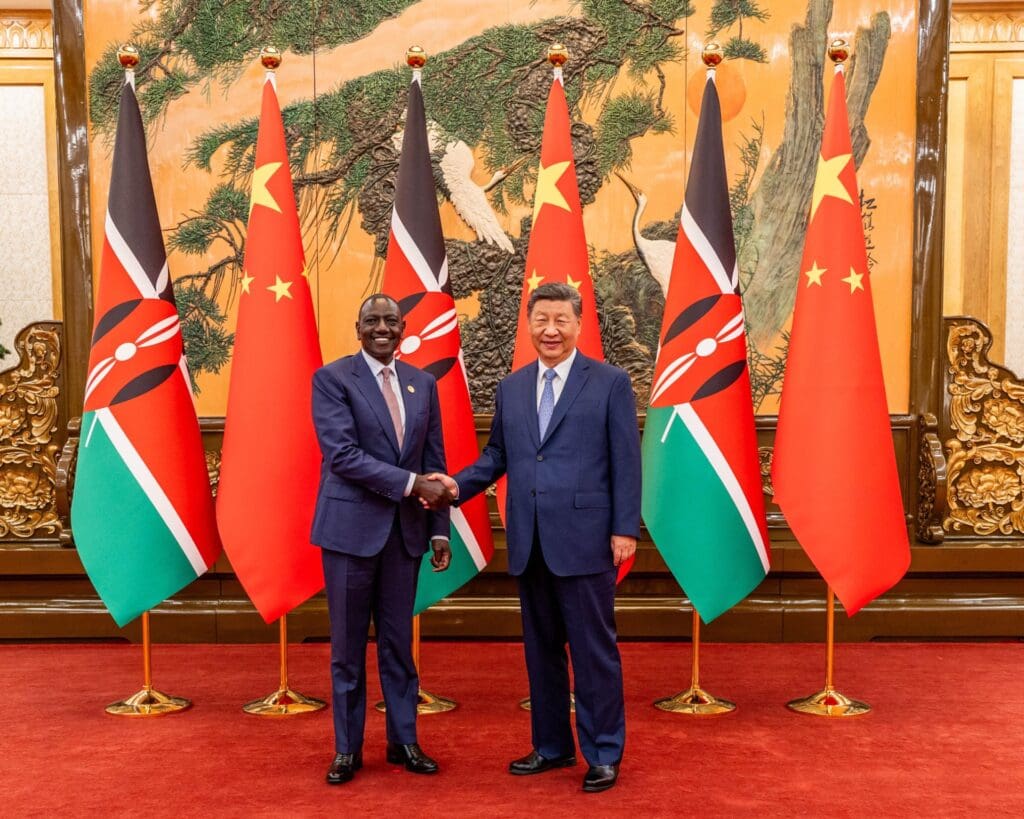
This highway deal represents more than concrete and asphalt. It is a signal of deepening economic diplomacy and an attempt by Kenya to reposition itself as a regional trade hub. The agreement was announced during a state visit by President William Ruto to Beijing, reflecting renewed Sino-Kenyan cooperation as Kenya pivots away from previously planned deals with European contractors.
The project is structured under a mixed debt–equity public-private partnership (PPP) model. Approximately 75 percent of the total cost will be financed through debt, with the remaining 25 percent as equity. A significant portion of the equity will come from domestic stakeholders — notably the country’s pension fund, the National Social Security Fund (NSSF), which will contribute roughly 45 percent of the equity for its phase.
The expansion will occur in two phases. The first — costing US $863 million — involves the China Road and Bridge Corporation (CRBC) partnering with NSSF to widen 139 km of an existing single-lane highway into four- and six-lane dual-carriage roads. The second phase, valued at US $678.56 million and to be handled by Shandong Hi‑Speed Road and Bridge International (SDRBI), will transform another 94 km stretch into a six-lane carriageway.
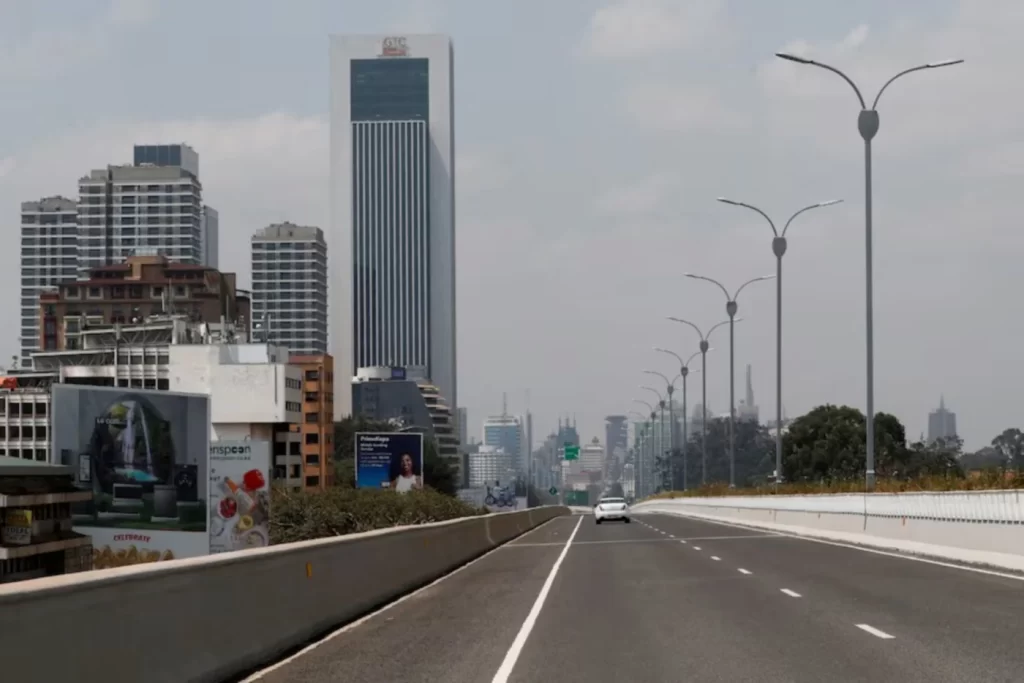
Upon completion — scheduled by end-2027 — the two firms will operate the highway under a 28-year toll concession to recoup their investments. This structure allows Kenya to expand critical infrastructure without overly increasing sovereign debt — a strategic balance as the government has repeatedly emphasised its limited borrowing capacity.
Beyond national borders, the highway’s impact could ripple across the wider East Africa region. Improved transport links from Mombasa’s port through Nairobi into Kenya’s western regions — and onward to neighbouring states — are expected to reduce freight costs, speed up cargo movement, and deepen regional integration. Observers believe such corridors will reinforce Kenya’s role in regional trade, supporting sectors such as agriculture, manufacturing and commerce.
However, the project is not without controversy or risk. The deal comes after Kenya terminated a previous agreement with a French-led consortium over feasibility concerns. Some analysts and civil society groups warn about long-term implications: future toll burdens on motorists, the sustainability of debt even under PPP, and whether benefits will be equitably distributed across regions.
In sum, the US $1.5 billion highway expansion is a bold bet by Kenya — a promise of smoother roads, faster trade, regional integration and economic growth. At the same time, it underlines the delicate balancing act between infrastructure ambition, fiscal responsibility, and equity in development. As construction begins, all eyes will be on delivery, toll regulations, and whether the promised gains materialize for all Kenyans and the wider region.