The World Bank has upgraded Kenya’s growth prospects for 2025, signalling renewed economic confidence as the construction sector records a strong resurgence. In its latest outlook released on Monday, November 24, 2025, the institution revised Kenya’s GDP forecast from 4.5 per cent to 4.9 per cent—an upward shift that reflects both improved fiscal stability and a rapid pick-up in infrastructure activity across the country.
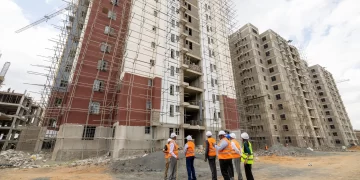
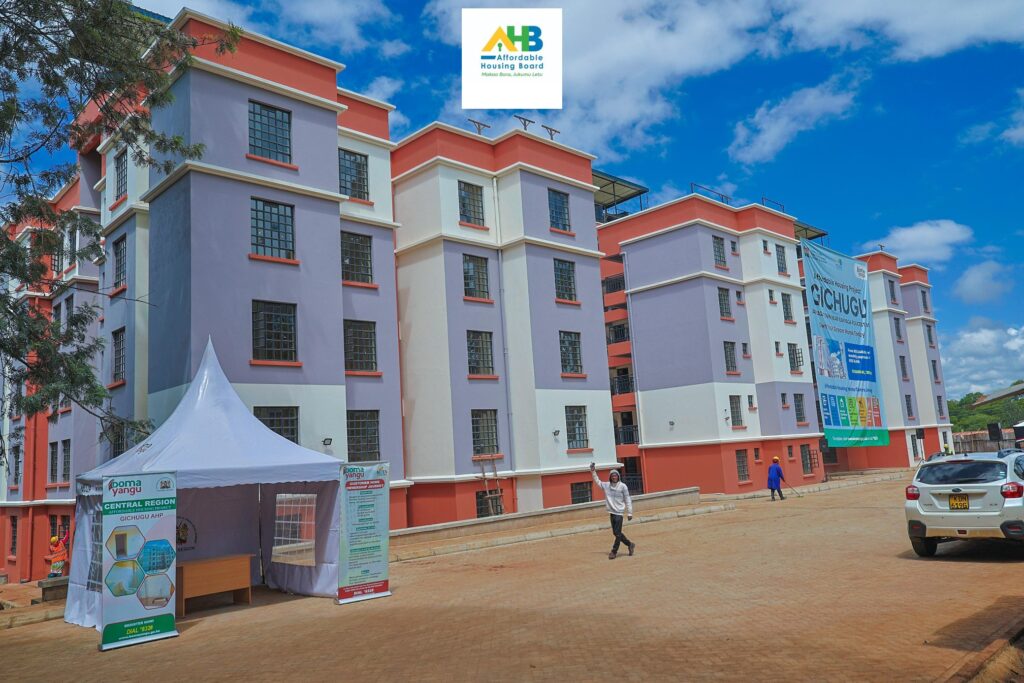
For much of 2024, Kenya’s construction industry—one of its largest employers and a backbone of national development—had slowed significantly due to heightened concerns over government finances. Many contractors abandoned project sites as delayed payments became widespread, undermining economic momentum and investor sentiment. However, the World Bank’s new analysis notes a decisive turnaround in the first half of 2025, where a sharp rebound in construction has not only revived stalled projects but also offset a slowdown experienced in the manufacturing sector.
According to the report, the improved GDP outlook to 4.9 per cent is a strong indication that Kenya is gradually regaining the confidence of global lenders and investors. The revision is also seen as an encouraging signal that the country is increasingly capable of meeting its fiscal obligations, especially after a challenging period characterised by high debt repayments and constrained public spending. The Bank expects this growth momentum to hold steady over the next two years, barring shocks from the international market.
Nonetheless, risks to the forecast remain. The impending expiry of a key U.S. trade agreement could affect export earnings, while ongoing fiscal consolidation—necessary for stabilising debt—may constrain government expenditure in the near term. Government officials have acknowledged that Kenya’s heavy debt servicing burden has absorbed a large share of national revenue, weakening its development financing capacity.
In response, the government has adopted innovative measures to ease liquidity pressures. One such step includes raising funds through loans securitised on the road maintenance levy charged on petrol, enabling the payment of contractors and resumption of stalled infrastructure projects nationwide. Nairobi is also in discussions with the International Monetary Fund (IMF) on a new support programme, although differences persist over the classification of securitised loans and their impact on the country’s debt profile.
Beyond short-term financing solutions, the World Bank outlines broader structural reforms that could unlock stronger and more inclusive economic growth. The report highlights that Kenya’s business environment is still constrained by more than 200 state-owned enterprises—many enjoying unfair advantages that stifle private sector competition. Restrictions on foreign investment further limit capital inflows and dampen opportunities for job creation.
According to the Bank, easing these regulatory barriers and fostering a more competitive market landscape would attract fresh investment and accelerate economic expansion. As global trade dynamics shift and Kenya navigates its fiscal challenges, a pro-investment framework could provide the stability needed for long-term growth.
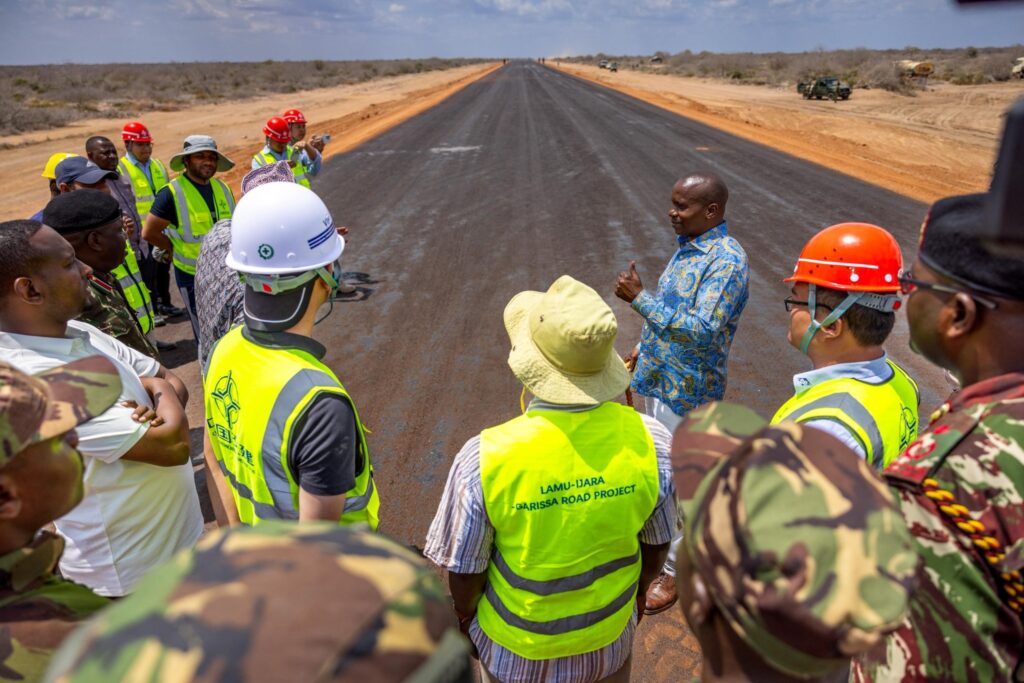
With construction activity recovering and fiscal reforms underway, the World Bank’s bullish outlook serves as a positive signal for Kenya’s economic trajectory. While implementation risks remain, the country’s renewed focus on infrastructure, competitiveness, and investor confidence could set the stage for a more resilient and prosperous future.