The World Bank continues to play a central role in Kenya’s development journey, partnering closely with President William Ruto’s administration to accelerate national transformation across key sectors. Through sustained financial and technical support, the Bank has aligned its programmes with the government’s Bottom-Up Economic Transformation Agenda (BETA), particularly in infrastructure, agriculture, and social development. This collaboration is seen as pivotal in unlocking long-term economic growth and improving the quality of life for millions of Kenyans.
A major focus of the partnership lies in expanding Kenya’s road, rail, and energy infrastructure through the proposed National Infrastructure Fund. This initiative seeks to mobilise large-scale financing to enhance national connectivity and unlock economic opportunities. The plan includes constructing 20,000 kilometres of new roads—most of them in rural and underserved regions—dualling 2,000 kilometres of major highways, and boosting energy generation capacity by an additional 10,000MW. These investments are expected to reduce logistics costs, strengthen value chains, and underpin the country’s industrialisation drive.
Agricultural transformation remains one of the standout pillars of the World Bank’s support. The Bank has welcomed Kenya’s proposal to build 50 mega dams that will bring 2.5 million acres under irrigation, describing it as the only durable pathway to sustainable agricultural productivity. With 85 percent of the country classified as arid or semi-arid, the shift away from reliance on rain-fed agriculture is no longer optional. The Bank argues that the current model—dependent on just 15 percent of arable land—is stretched to its limits, making irrigation the new frontier for food security and rural economic expansion.
The planned mega dams, once completed, are expected to boost crop yields, stabilise food supply systems, and position Kenya as a regional leader in commercial agriculture. The World Bank’s confidence in this infrastructure is rooted in its potential to support climate resilience, reduce vulnerability to drought cycles, and open up new agribusiness opportunities. These developments will also complement the government’s focus on agricultural value addition, enhancing export capacity and reducing the nation’s hefty food import bill.
Beyond infrastructure and agriculture, the World Bank has also been a strong supporter of Kenya’s social sectors. It has invested significantly in education, public health, social protection, and human capital development—areas critical for sustaining long-term economic growth. Its programmes have strengthened basic service delivery, expanded access to social safety nets, supported healthcare reforms, and empowered vulnerable communities across the country. This social investment complements physical infrastructure development to ensure inclusive progress.
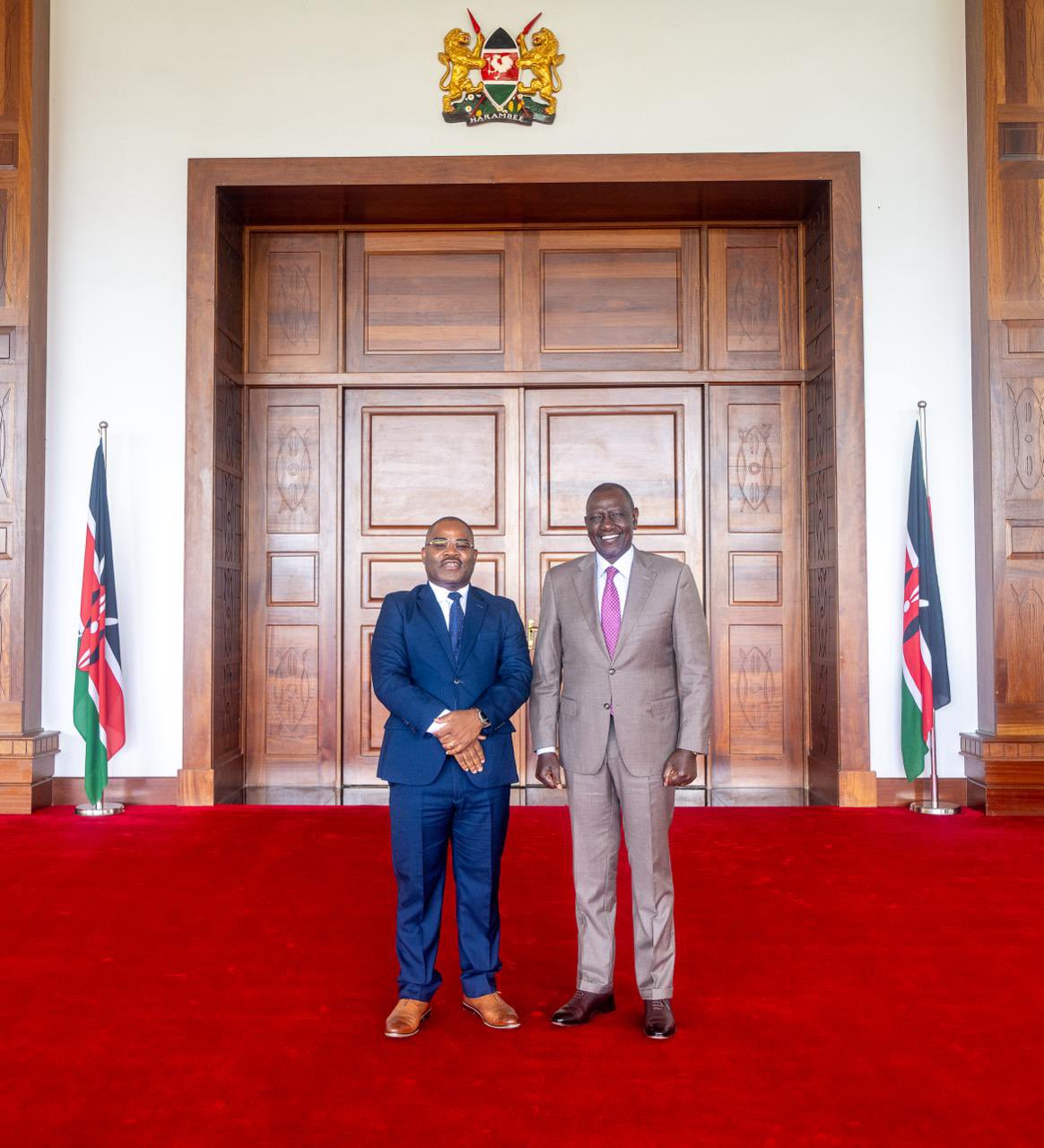
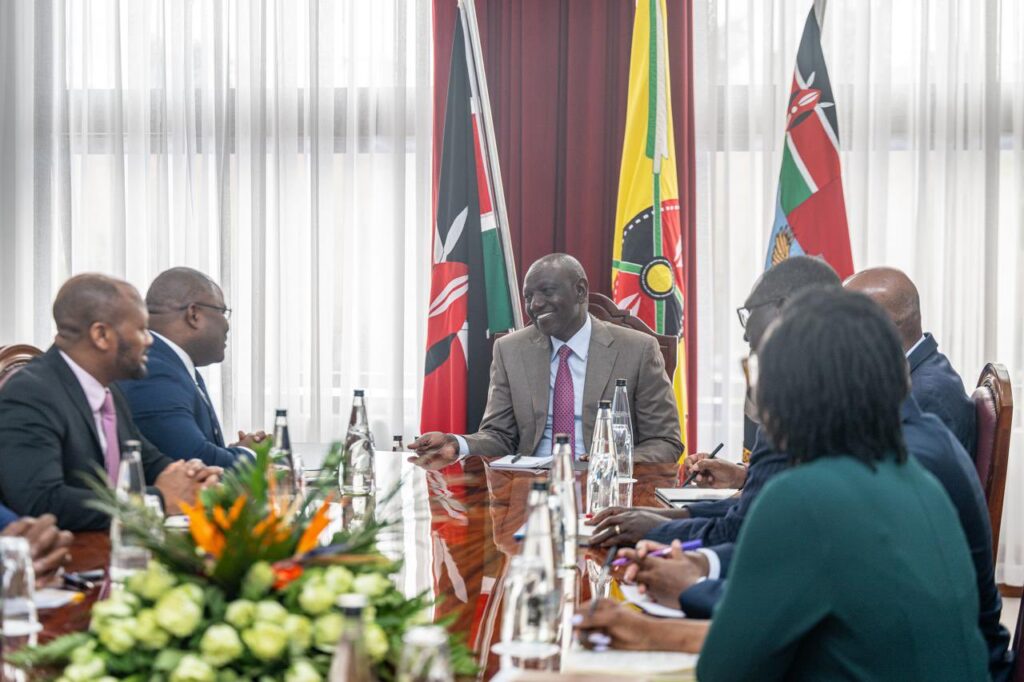
During a recent meeting at State House Nairobi, President Ruto held discussions with the World Bank Africa Executive Director for Africa Group One, Zarau Kibwe. The President expressed gratitude for the Bank’s steadfast commitment to Kenya’s development priorities and its continued support across both economic and social sectors. As Kenya advances its ambitious agenda, the World Bank’s partnership remains a cornerstone of the nation’s long-term transformation and a key driver of sustainable growth