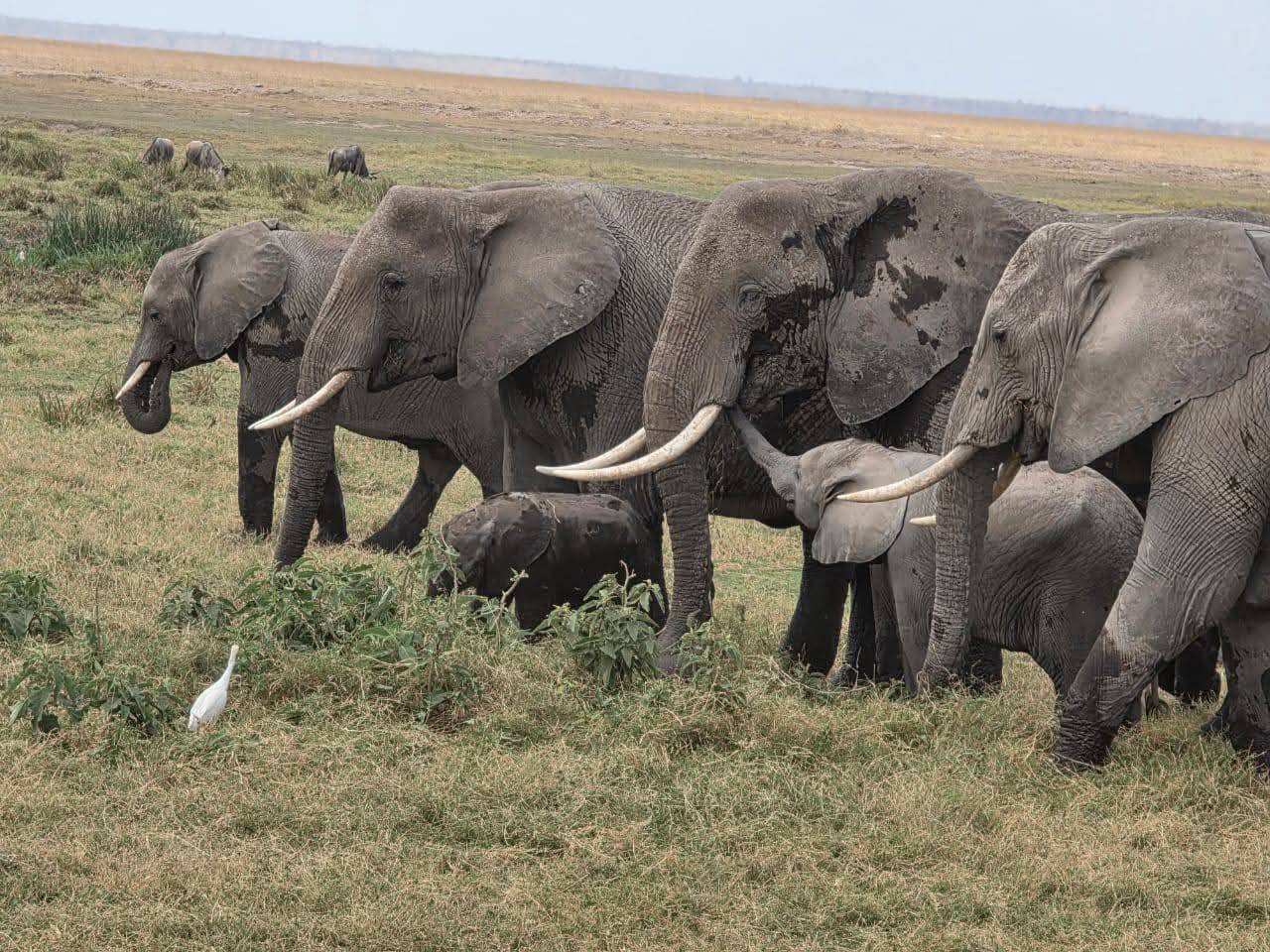
Kenya has announced an ambitious strategy to triple international tourist arrivals to 7.5 million by 2030, as part of a wider effort to position the country as Africa’s leading travel destination and a global hub for sustainable tourism. The initiative is expected to generate new jobs, expand business opportunities, and strengthen Kenya’s economy through an inclusive and environmentally conscious tourism model.
Speaking in Kakamega during a public participation forum on the National Tourism Strategy (NTS) 2025–2030, Principal Tourism Officer Ishmael Chelang’a outlined the government’s plan to make Kenya a competitive and accessible destination for global travelers. The strategy aligns with President William Ruto’s target of attracting at least five million international visitors by 2027, building on the 2.4 million recorded in 2024.
Key interventions include the rollout of the Kenya Electronic Travel Authorization (eTA) system, which simplifies visa processes, and the Open Sky Policy, which allows direct flights from international cities to Kenya’s main tourist hubs. Chelang’a said these measures will make travel more convenient and help unlock new tourism markets across the world.
According to the plan, Kenya expects to grow tourism revenue from KSh 452 billion in 2024 to KSh 1.2 trillion by 2030. The sector currently supports over 1.5 million jobs, and the government projects this number will rise to about 2.5 million by the end of the decade. Chelang’a explained that the goal is also to encourage tourists to spend more time in the country, increasing the average length of stay from eight to twelve days, which would significantly boost local spending and economic impact.
The government is also focusing on domestic tourism, aiming to double local bed nights from 5.17 million to 10 million by 2030. In addition, the plan emphasizes the growth of the Meetings, Incentives, Conferences, and Exhibitions (MICE) segment, urging county governments to invest in modern conference centers and hospitality facilities that can host large-scale events and attract business travelers.
Kenya’s hospitality industry is set for expansion, with plans to increase internationally classified hotel beds from 26,786 in 2018 to 125,000 by 2030. Infrastructure upgrades, including new roads, airports, and improved connectivity, will further enhance access to tourist destinations across the country.
The National Tourism Strategy also promotes the development of regional tourism circuits to diversify experiences and spread economic benefits. One of the flagship projects includes the planned construction of a cultural museum in Lodwar, which will celebrate Turkana heritage and attract more visitors to northern Kenya.
To ensure visitor safety and maintain high industry standards, the government will strengthen the Tourism Police Unit, establish a Tourism Crisis Management Unit, and list all licensed operators on a national tourism service portal for better regulation and transparency.
Chelang’a noted that Kenya’s vision for tourism growth is centered on sustainability, community empowerment, and innovation. He emphasized that the government’s goal is to make Kenya a world-class destination where visitors can enjoy memorable experiences while contributing to local development and environmental conservation.
This strategy marks a major milestone for Kenya’s tourism sector, promising not only to attract more visitors but also to ensure that tourism remains a key driver of economic transformation and social inclusion across the country.

President William Ruto has placed Micro, Small and Medium Enterprises (MSMEs) at the center of Kenya’s economic transformation strategy, recognizing the sector as the backbone of job creation,...
Read moreDetails