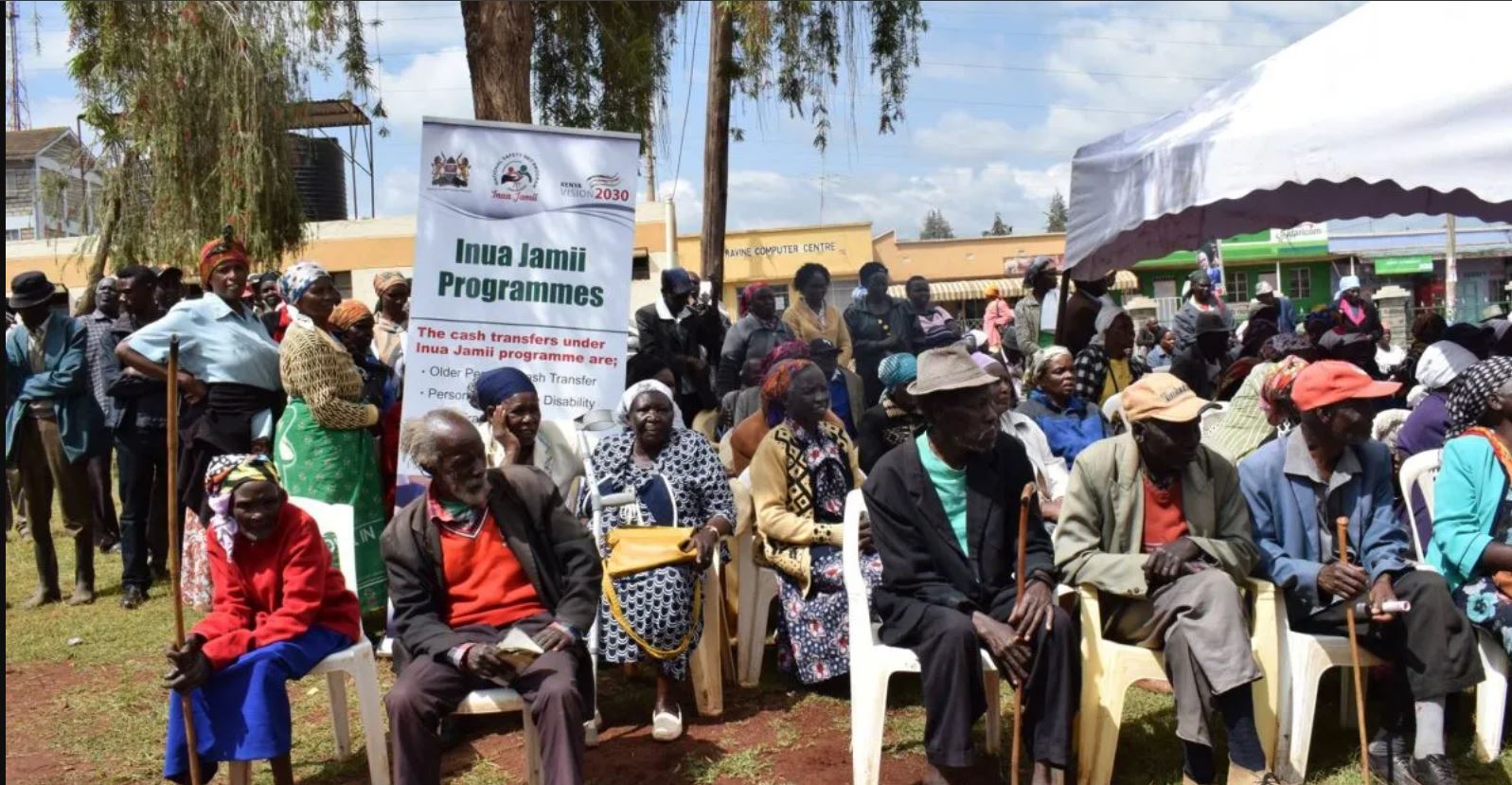
The Government of Kenya has released Sh881 million to support vulnerable households under the Inua Jamii programme, with 440,537 families benefiting from the August 2025 cycle of the Cash Transfer for Orphans and Vulnerable Children (CT-OVC). Each household is receiving Sh2,000 through the eCitizen platform, a move official say is designed to enhance transparency, efficiency, and accountability in social welfare distribution.
This latest disbursement highlights the government’s ongoing commitment to providing safety nets for the country’s most vulnerable populations while aligning closely with the Kenya Kwanza manifesto’s pledge to prioritize social protection. President William Ruto’s administration has consistently emphasized the importance of cushioning disadvantaged households as part of the Bottom-Up Economic Transformation Agenda, and Inua Jamii remains a flagship example of that promise in action.The CT-OVC programme is one of the most impactful pillars of the Inua Jamii framework, dedicated to orphans and vulnerable children. By channeling resources into families and communities, the initiative ensures that children grow up in safe, nurturing environments rather than being forced into institutional care. With each transfer, guardians are better equipped to cover school fees, secure healthcare, and provide adequate food which are investments that secure both immediate welfare and long-term human capital development.
According to the Ministry of Gender, Culture and Children Services, the programme’s goals go beyond direct financial aid. It seeks to boost school enrollment, enhance nutrition and health outcomes, improve child protection, and promote food security at the household level. Such interventions directly contribute to reducing inequality and advancing Kenya’s national development goals.
Independent evaluations have repeatedly shown that Inua Jamii cash transfers stabilize household incomes. A regular Sh2,000 injection helps families budget more effectively, ensuring that children stay in school, that food is on the table, and that healthcare costs can be met. The ripple effect goes beyond individual homes, strengthening community resilience and reducing pressure on local support systems.
These outcomes reflect Kenya Kwanza’s vision that social safety nets are not a luxury but a foundation for economic transformation. A society where the vulnerable are protected is better positioned to drive inclusive growth and empower its citizens to thrive.
The adoption of eCitizen as the distribution platform underscores the government’s push toward digital efficiency. This system minimizes leakages, combats corruption, and gives beneficiaries direct control over their entitlements. Principal Secretary Carren Ageng’o emphasized the importance of this transparency, urging households to confirm their payments online and report irregularities.
This innovation mirrors the administration’s wider digitalization agenda, where technology is harnessed to improve governance and service delivery nationwide.
Since its launch, Inua Jamii has grown into a cornerstone of Kenya’s social protection system. Beyond the CT-OVC, the programme also provides support for the elderly and persons with severe disabilities, ensuring that no segment of society is left behind. By reaching more than 440,000 households this month alone, the initiative continues to stand as one of the government’s most impactful interventions against poverty.
The programme is also a strategic investment in Kenya’s future. By reducing child vulnerability, enabling education, and improving nutrition, it contributes to breaking the intergenerational cycle of poverty and ensuring that vulnerable children can grow into healthy, educated, and productive citizens.
Kenya Kwanza’s manifesto made social protection a key pillar of its vision, and the continued expansion of Inua Jamii reflects that commitment. By uplifting orphans, vulnerable children, the elderly, and persons with disabilities, the administration is demonstrating that inclusive growth and social justice are integral to national development. The disbursement of Sh881 million is not just a transfer of funds but it is a reaffirmation of the state’s responsibility to its people and a powerful example of governance with a human face.
As Kenya continues to navigate economic pressures, Inua Jamii provides assurance that the government remains steadfast in its pledge to protect the most vulnerable. This disbursement is more than financial aid; it is a symbol of progress, resilience, and compassion. For thousands of households, it translates into dignity, stability, and hope for a brighter tomorrow.

Kenya and Ghana have stepped up cooperation on Universal Health Coverage in a move that underscores Nairobi’s accelerating health sector reforms and growing regional influence. The renewed partnership,...
Read moreDetails