The Government of Kenya under President William Ruto has placed road infrastructure at the heart of its economic transformation agenda. Recognizing that modern and reliable road networks are the backbone of trade, agriculture, and regional integration, the administration continues to roll out projects across the country. These investments are designed not only to enhance mobility but also to open up new opportunities for communities, stimulate markets, and strengthen Kenya’s competitiveness in the East African region.
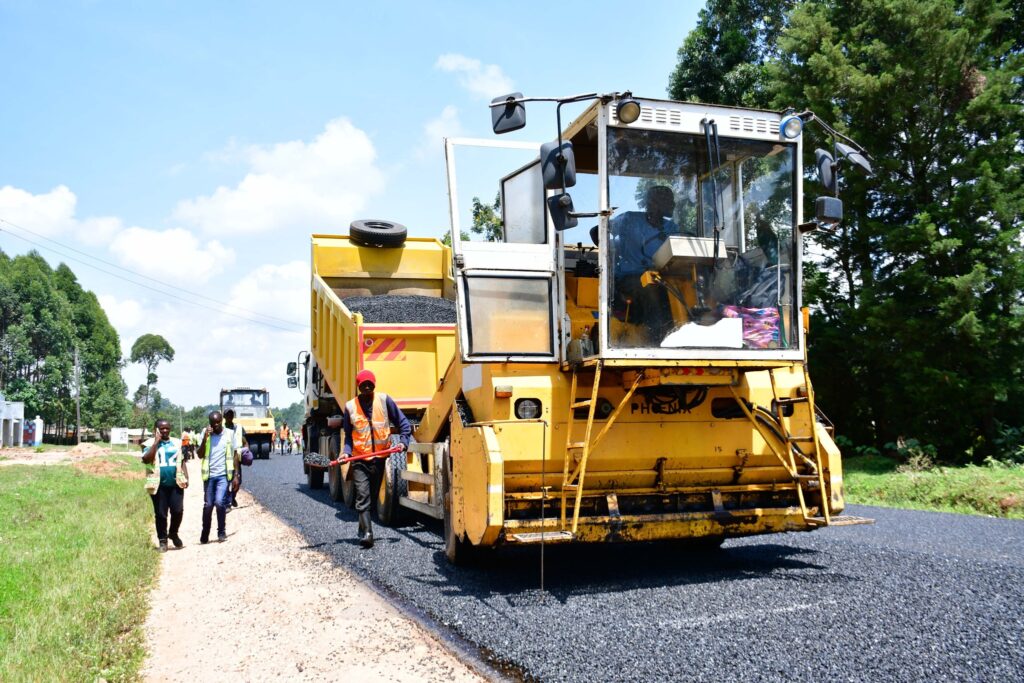
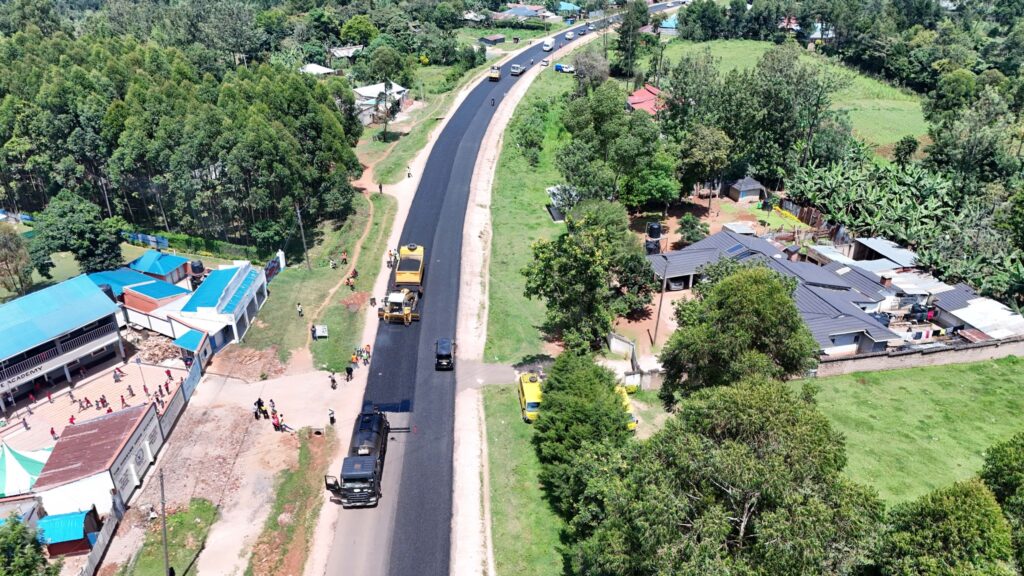
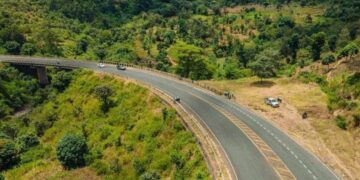
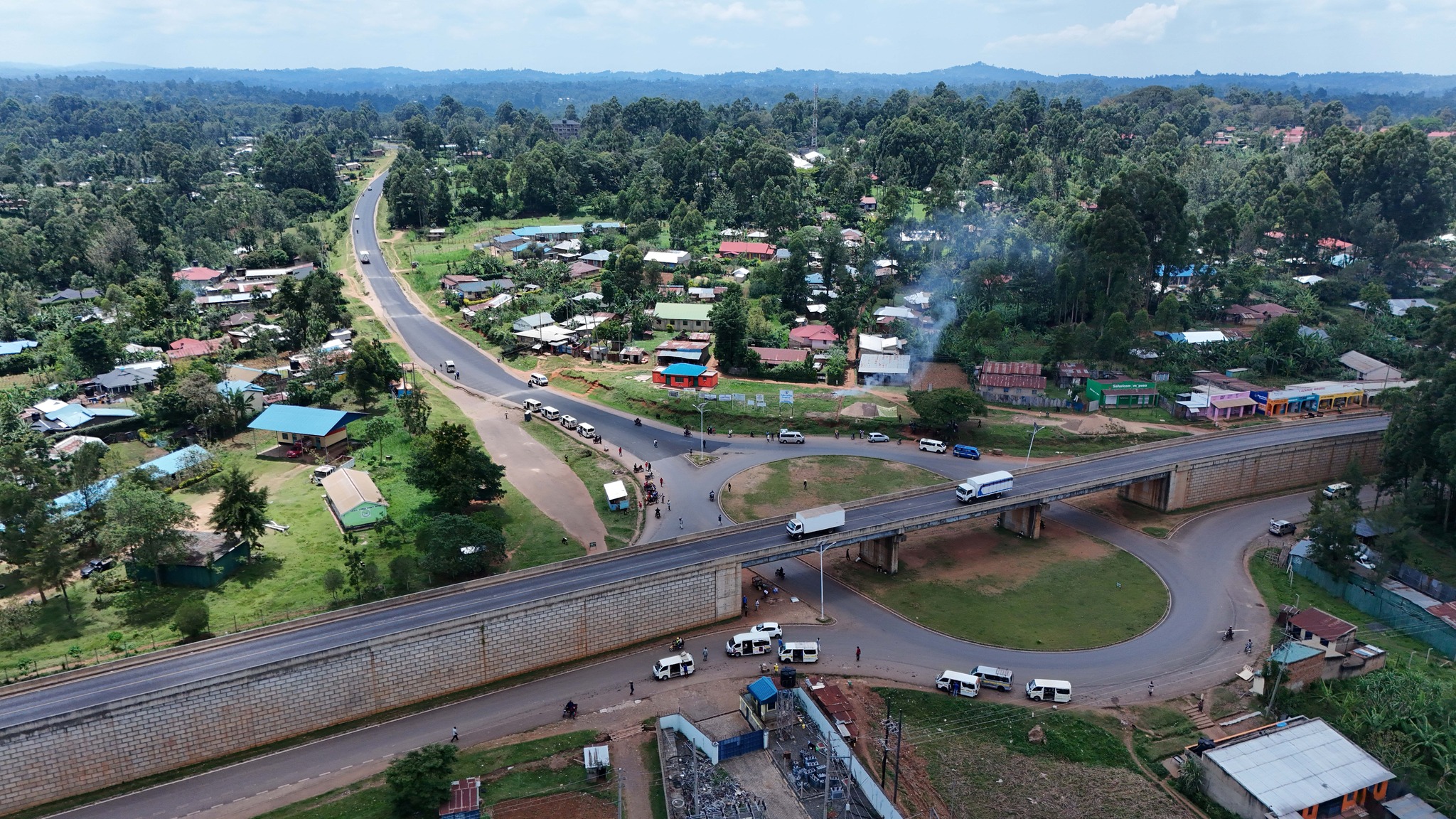
One notable project taking shape is the ongoing periodic maintenance of the Jct A1 (Chavakali) – Jct B12 Chepsonoi (B128) Road, a 30-kilometre stretch strategically linking Western Kenya to the Rift Valley region. This vital corridor eases the movement of people and goods across counties, thereby boosting cross-regional trade, agriculture, and access to essential services such as healthcare, schools, and markets. By upgrading such links, the Government is actively bridging development gaps between regions while empowering local economies.
The scope of works on the Chavakali–Chepsonoi Road is comprehensive, reflecting the Government’s commitment to quality and durability. The maintenance involves earthworks, excavation and filling for structures, alongside the installation and upgrading of culverts and drainage systems. These improvements are particularly critical in a region prone to heavy rainfall, where resilient drainage helps mitigate the risks of flooding that often disrupt transport and livelihoods. Importantly, the project has also created hundreds of short-term and long-term jobs for locals, injecting much-needed income into households.
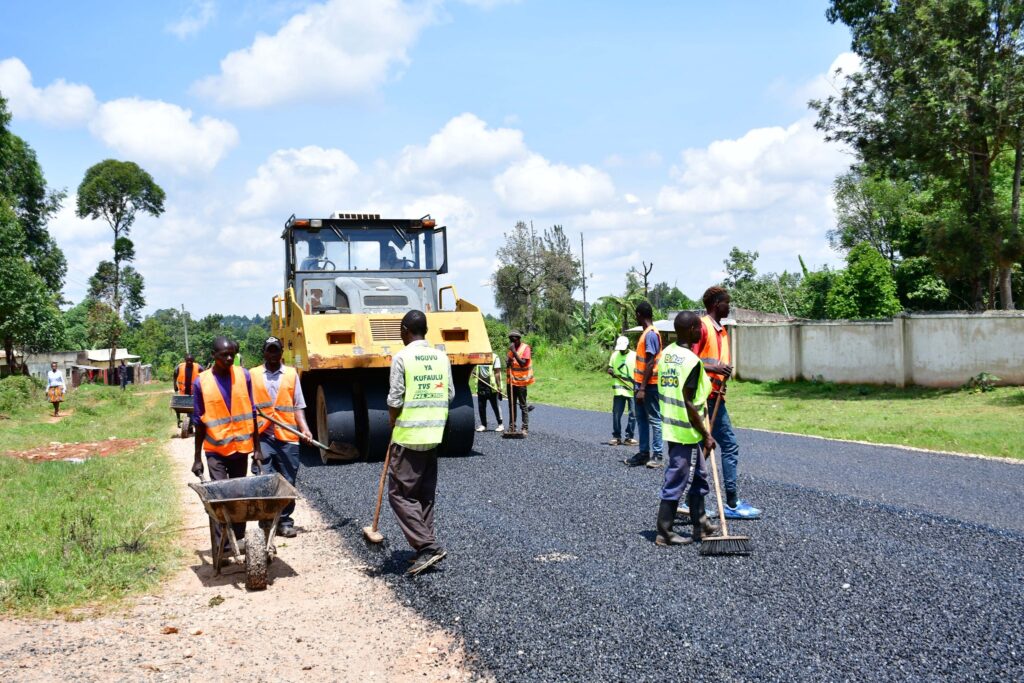
Further enhancements include the repair of shoulders, reconstruction of natural material bases and sub-bases, and the application of cement-treated layers to reinforce durability. The road surface itself is being restored with bituminous dressing and mixes, ensuring smoother rides and lower vehicle maintenance costs for users. To complement these upgrades, critical road furniture such as guardrails and signage is being installed or repaired, significantly improving road safety. Many of these activities employ local youth and skilled artisans, thereby equipping communities with technical skills and work experience.
The Chavakali–Chepsonoi upgrade is emblematic of a broader road development program being pursued nationwide. Similar projects are underway in other regions, from rural feeder roads that connect farmers to markets, to highways that link counties and border towns. These projects are not only unlocking economic potential but are also offering thousands of Kenyans employment opportunities in construction, engineering, material supply, and related services. This deliberate focus on job creation aligns with President Ruto’s bottom-up economic transformation model, where infrastructure development directly benefits ordinary citizens.
By investing in durable, well-engineered road networks, the Government is laying a firm foundation for inclusive growth. Roads like the Chavakali–Chepsonoi corridor are not merely transport links—they are lifelines for communities, enablers of commerce, and drivers of social mobility. As these projects take shape across all regions of Kenya, they are simultaneously providing thousands of Kenyans with meaningful work, building resilience, and steering the nation toward greater connectivity and prosperity.