Ruto at GERD Launch: Nile Must Be a River of Cooperation, Not Conflict.
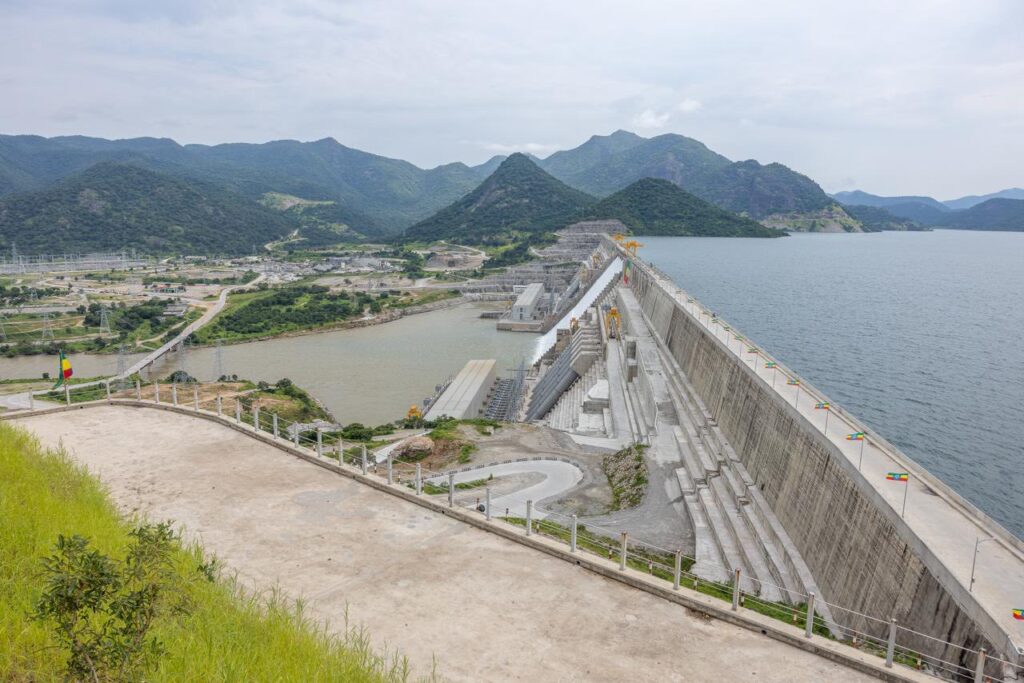
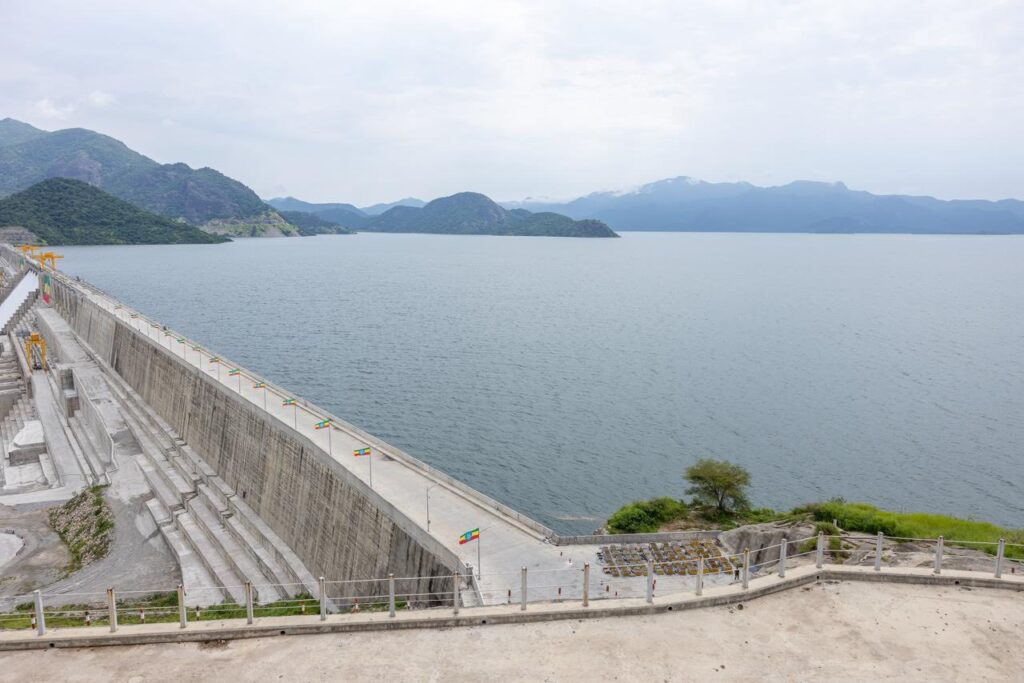
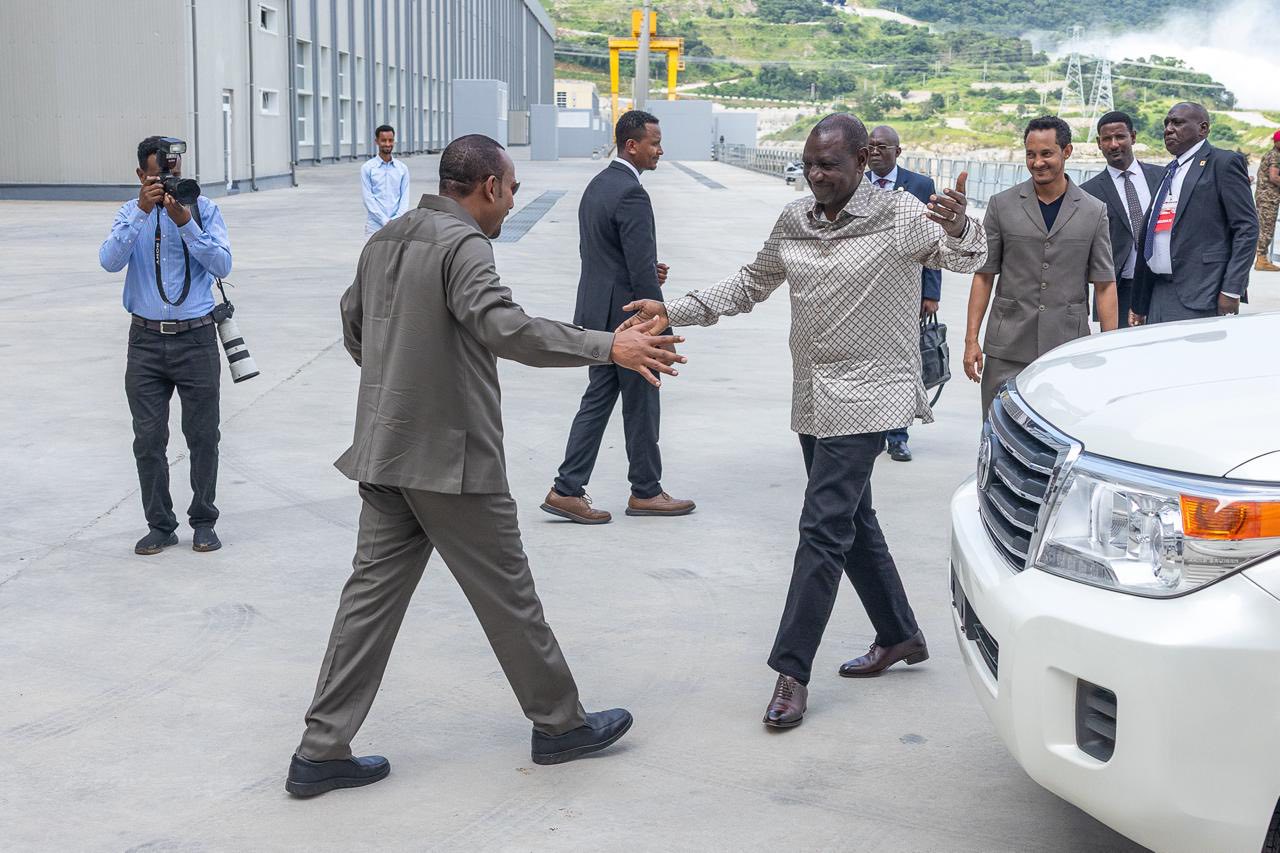
Kenya’s President William Ruto on September 9 joined fellow African leaders in Benishangul-Gumuz, Ethiopia, as chief guest at the historic inauguration of the Grand Ethiopian Renaissance Dam (GERD). For over a decade, the GERD was seen as a flashpoint for conflict on the Nile, but its commissioning now stands as a symbol of African resolve and cooperation. Ethiopian Prime Minister Abiy Ahmed hailed the $5 billion project as the “greatest achievement in the history of the Black race,”. President Ruto emphasized the dam’s promise as a continental game-changer while carefully weaving in his diplomatic wit to call for shared prosperity and dialogue over lingering Nile disputes.
For over a decade, the GERD was cast as the flashpoint of a looming water war between Ethiopia and Egypt, with threats of military action once dominating discourse. That narrative collapsed as regional realities changed—Egypt mired in Gaza diplomacy and Sudan paralysed by civil war. Ruto used the moment to frame the dam not as a zero-sum contest but as an anchor for East Africa’s economic integration. “What was once feared as a source of division must now be embraced as a wellspring of unity,” he remarked.
Kenya has already positioned itself as a customer for Ethiopian electricity, importing power through cross-border interconnections. Ruto stressed that Kenya’s energy security is inseparable from Ethiopia’s hydro capacity, with the GERD forming the nucleus of a future regional grid spanning the Nile Basin and beyond. His remarks signaled Nairobi’s bet on clean, renewable power as the driver of industrialisation, linking Kenya’s own Vision 2030 agenda to Ethiopia’s hydropower ambitions.
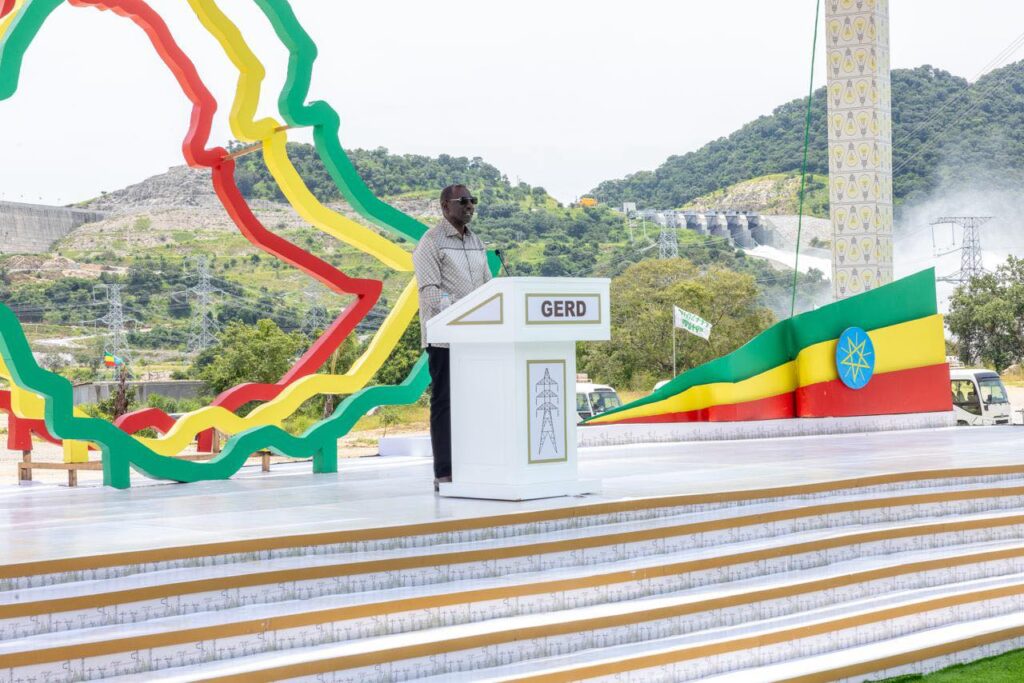
Diplomatically, Ruto’s presence helped soften decades of Nile animosity. By calling for dialogue between upstream and downstream states, he underscored Kenya’s role as a trusted mediator in African disputes. His message was clear: while Egypt retools its water security through desalination, and Sudan struggles with its dependence on Ethiopian power, the path forward lies not in confrontation but in coordinated regional planning.
The geopolitical undertones were unmistakable. Cairo, now aligned with Somalia and Eritrea in a fragile containment axis against Ethiopia, has seen its influence wane. By contrast, Nairobi’s active embrace of Ethiopia’s energy vision reflects a pragmatic calculation—tying Kenya’s future industrial and digital growth to reliable green power from across its northern border. Ruto’s symbolic front-row seat at the GERD stage sent a message that East Africa’s leadership is converging around economic interdependence rather than confrontation.
As the turbines roared to life, Ruto’s diplomatic balancing act echoed beyond the Nile. By endorsing the GERD as both an African achievement and a continental asset, he placed Kenya firmly at the centre of a new regional order—one in which hydropower, not hostility, defines the politics of the river. For Ethiopia, the question now is whether it can convert its engineering triumph into a shared economic lifeline; for Kenya, the answer is already clear: the GERD is not just Ethiopia’s victory, but East Africa’s opportunity.