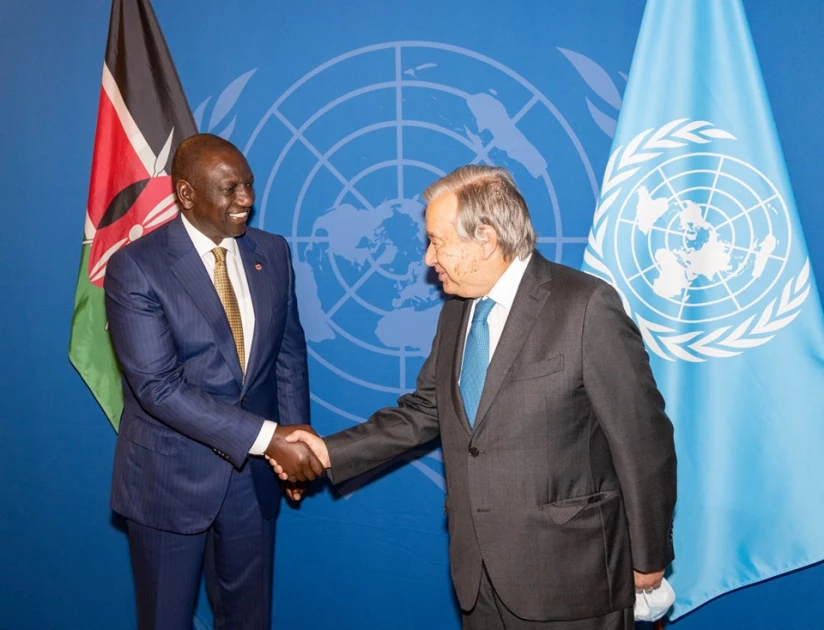
Kenya is set to host the global headquarters of three major United Nations agencies — UNICEF (United Nations Children’s Fund), UNFPA (United Nations Population Fund) and UN Women — as part of a UN decentralisation push announced in mid-2025. The phased relocations are scheduled to begin in 2025 and be substantially in place by the end of 2026, signalling one of the most consequential institutional moves of the UN’s “UN@80” reform agenda.
The decision builds on Nairobi’s longstanding role as an East African and UN centre: the United Nations Office at Nairobi already hosts UNEP and UN-Habitat and more than 80 UN offices and specialized units operate in Kenya, with over 6,000 UN personnel based in the country (5,000+ inside the Gigiri/UNON complex). Adding three global agency headquarters will therefore expand functions and staff that are already present and integrated into Nairobi’s diplomatic ecosystem.
From an employment perspective the relocations are expected to create thousands of direct and indirect jobs. Early UN planning and local reporting indicate phased moves of staff (for example, UNFPA beginning transfers of significant portions of its global workforce) and additional positions in administration, programme management, conferences, security, logistics and professional services — with multiplier effects across hospitality, transport, construction and local professional services. Local media and UN briefings cite thousands more UN personnel being hosted in Nairobi as capacity expands.
Economically, the presence of three more global headquarters will generate near-term construction and infrastructure spending (expansions and conference-facility upgrades are already under way), recurring spending by expatriate and locally-hired staff, and strengthened demand for high-value services such as legal, financial, IT and consulting. The UN’s own infrastructure upgrades in Nairobi — including multi-million dollar projects to upgrade conference capability and expand UNON capacity — underline the direct capital inflows tied to the relocations. Analysts expect sustained gains in foreign exchange receipts from conferences, business travel and international NGOs.
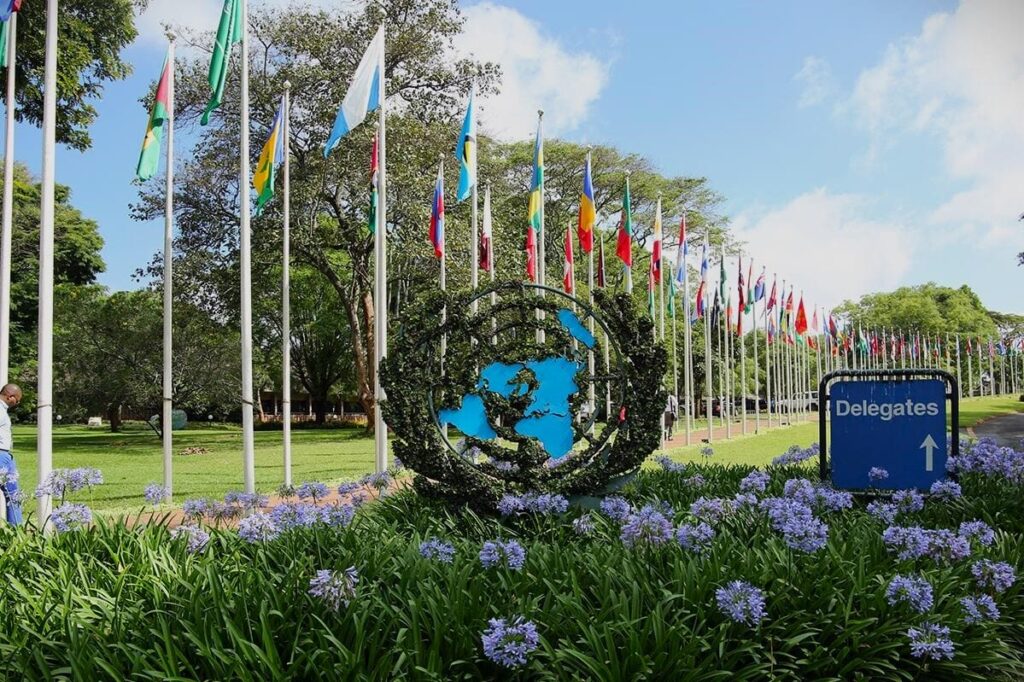
Beyond jobs and GDP, the relocations will elevate Nairobi’s diplomatic and geopolitical profile: hosting UNICEF, UNFPA and UN Women places the city among the few global UN hubs (traditionally New York, Geneva and Vienna) and signals a rebalancing of international institutional presence toward the Global South. This symbolic upgrade is likely to increase Nairobi’s influence in multilateral agenda-setting, programme priority decisions affecting Africa, and diplomatic networking—advantages that extend to Kenya’s foreign policy leverage and soft power.
There are also governance and social considerations. Observers note potential benefits — faster coordination with African governments, closer operational links to field programmes, and lower operating costs compared with some Western capitals — but they also warn about the need for inclusive local planning (housing, transport, equitable hiring, and civil society access) to ensure that benefits are widely shared and risks such as displacement or roll-on price pressures are managed. Local stakeholders have called for clear frameworks to maximise Kenyan and regional participation in the staffing and procurement opportunities the move creates.
In sum, the planned relocation of UNICEF, UNFPA and UN Women to Nairobi is a landmark for Kenya — one that will produce measurable employment and economic effects, accelerate infrastructure and service-sector demand, and formally elevate Nairobi’s standing as a global diplomatic hub. The full impact will depend on implementation timelines, how many staff and functions are permanently based in Nairobi, and how the Kenyan government and partners harness the opportunity to expand local skills, business participation and sustainable urban planning.