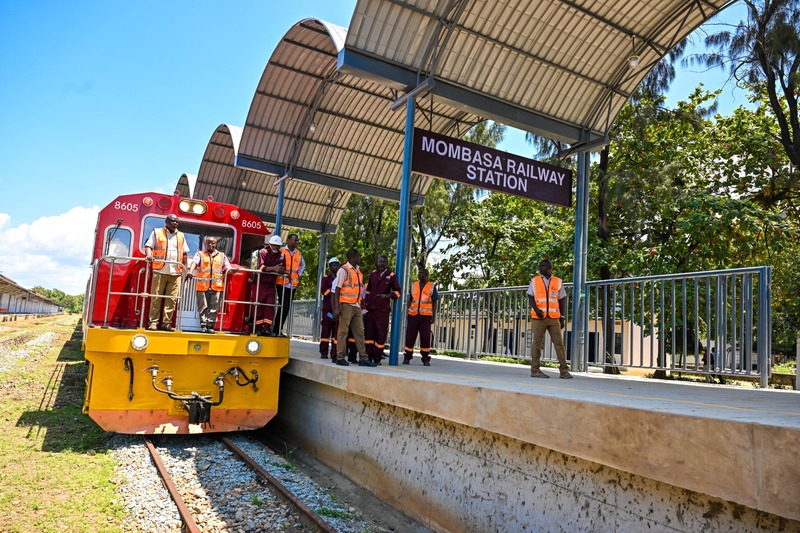
Mombasa is set to unveil a new commuter rail line this September after the completion of a Sh6 billion project linking the Miritini Standard Gauge Railway (SGR) terminus to the city’s central business district. President William Ruto will officially launch the service, which is expected to ease congestion on the city’s busy roads and open new opportunities for business and travel.
The project, which began in 2022, had faced delays due to land acquisition disputes. These challenges were resolved after the government allocated over Sh1.1 billion for compensation, allowing construction to proceed. Today, the 16.6-kilometre line stands ready to carry more than 4,000 passengers daily, reducing the heavy reliance on road transport. For Mombasa residents, this means shorter commutes, less time stuck in traffic, and safer journeys across the island and mainland.
The commuter rail service is a direct boost to the local economy. Small-scale traders who depend on quick transport to markets such as Kongowea will find it easier to move their goods. Reliable rail services are also expected to lower transport costs for businesses and encourage more trade activity in communities along the route, including Shimanzi, Changamwe, and Mazeras. With new and upgraded stations bringing more people into these areas, businesses around them are likely to see more customers and growth in retail, real estate, and hospitality.
Affordability is central to the new service. Kenya Railways has announced subsidized fares of Sh50 between Mombasa Island and the SGR terminus. The line also comes with “Park and Ride” and “Drop and Ride” options, making it easier for both motorists and public service vehicle users to integrate the train into their daily routines. This flexibility helps ensure that the commuter rail will serve a wide range of passengers, from regular workers to tourists and business travelers.
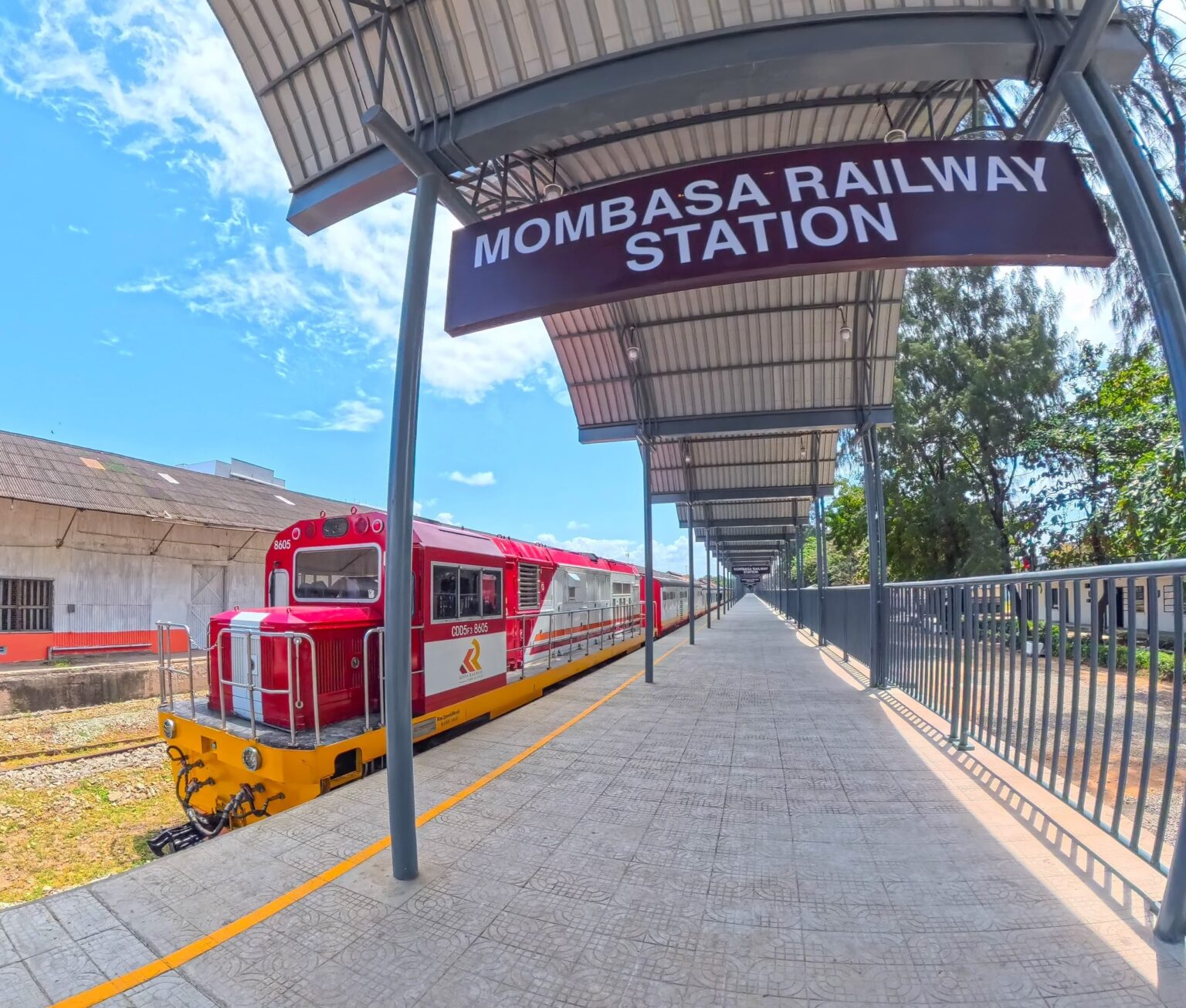
The infrastructure supporting the project is also impressive. A new Mombasa Central Railway Station has been constructed alongside four smaller stations in Changamwe East, Changamwe West, Miritini, and Shimanzi. A 480-metre bridge across the Makupa Causeway and another across Kibarani creek have been built to strengthen the line. These investments ensure the service will be modern, safe, and reliable.
For the wider country, the commuter rail closes an important gap between local and national transport systems. Until now, passengers arriving at the SGR terminus in Miritini had limited direct access to the city centre. The new rail connection allows for smooth travel between the SGR and Mombasa’s central business district, making trips more convenient for both residents and visitors. This improvement will also boost tourism, as visitors from Nairobi and beyond can now reach Mombasa’s city centre quickly and comfortably.
The project also supports environmental goals. With fewer vehicles on the road, the commuter rail will help reduce traffic-related carbon emissions. Cleaner air and less congestion will make the city more livable while supporting Kenya’s wider efforts in sustainable urban development.
This project is part of a larger government strategy to improve public transport across Kenya. Transport Cabinet Secretary Davis Chirchir noted that the government is also working on last-mile railway links in Nairobi and expanding Bus Rapid Transit services. Together, these projects aim to create efficient, affordable, and modern transport systems in Kenya’s growing cities.
For Mombasa, the benefits go beyond transport. The commuter rail is a symbol of renewal, showing how investment in infrastructure can directly improve daily life. It represents a commitment to building systems that support both economic growth and community well-being. Businesses expect to see more activity, commuters will enjoy faster and cheaper travel, and tourists will find the coastal city easier to navigate.
As the launch date approaches, excitement is growing. The commuter rail is not only a solution to traffic congestion but also a step toward a more connected and prosperous Mombasa. By linking the SGR to the heart of the city, the project strengthens Mombasa’s position as a vital hub for trade, tourism, and development in Kenya.