The Government of Kenya has announced a Sh3 billion development programme in Wajir County, with Deputy President Kithure Kindiki assuring residents that decades of marginalisation will be addressed through investments in electricity, housing, modern markets, and road infrastructure. The announcement was made during the Wajir County Economic Empowerment Program held at Orahey Grounds in Wajir East, bringing together senior national and county leaders.
At the centre of the investment is the Last Mile Connectivity Programme, which will connect 18,544 households in Wajir to electricity. In Tarbaj Constituency alone, Sh556 million has been allocated to link more than 2,800 households. This will not only light up homes but also power schools, health facilities, and businesses. The Deputy President added that four hybrid power plants are being set up in Eldas, Habaswein, Merti, and Elwak to reduce frequent power shortages. These plants, combining solar and diesel energy, will ensure a steady and reliable electricity supply, opening new opportunities for small enterprises and households.
Infrastructure development is another major part of the government’s plan. The 750-kilometre Isiolo–Wajir–Mandera road is under construction and has been described as the longest road project undertaken by the government since independence. Once complete, the road will connect Wajir more closely with the rest of Kenya, cut transport costs, and improve trade within the region as well as across the borders with Somalia and Ethiopia. Local traders and pastoralists are expected to benefit from easier access to markets, while improved mobility will also encourage investors to put money into Wajir’s economy.
The Deputy President also highlighted affordable housing projects now underway in Wajir. These include student hostels for TVET institutions, teacher training colleges, and medical campuses. The housing programme is expected to create thousands of jobs during construction and provide modern, affordable shelter for families and young people. With better housing and student facilities, Wajir will be better positioned to attract skilled workers and students from across the country, improving both education and healthcare services in the county.
To support trade, the government is building eight modern Economic Stimulus Programme markets across Wajir. These markets will provide safer, better-organised spaces for business and give women and youth, in particular, a stronger platform for economic activity. By improving trade infrastructure, the county will generate more jobs, strengthen food distribution, and increase revenue collection.
During his address, the Deputy President also confirmed that the government has removed the discriminatory vetting process that residents of Northern Kenya previously faced when applying for national identity cards and other documents. He affirmed that all Kenyans must be treated equally and that the people of Northern Kenya deserve the same rights and opportunities as any other citizen. This move is expected to reduce barriers to employment, education, and access to services for thousands of residents.
Beyond infrastructure, the government is also working to strengthen grassroots businesses. Women- and youth-led SACCOs are receiving more support so they can access credit and expand their enterprises. These cooperatives are seen as a foundation for local development, encouraging self-reliance and helping residents take advantage of the economic changes that the new projects will bring.
The launch was attended by key leaders including Wajir Governor Ahmed Abdullahi, Woman Representative Fatuma Abdi Jehow, Senator Abass Sheikh Mohamed, Majority Leader Kimani Ichung’wah, and National Assembly Speaker Moses Wetang’ula. Their participation underscored a united front in ensuring that the projects are delivered effectively and benefit the community as intended.
The Sh3 billion programme is widely viewed as a breakthrough for Wajir, a county that has for many years lagged behind in national development. With improved electricity, modern roads, housing, and trading centres, Wajir is set to become more economically vibrant and better connected to the rest of Kenya. The projects also carry wider benefits for the national economy by unlocking the potential of a region that has long been underutilised.
For the people of Wajir, this investment represents more than infrastructure. It brings hope for better livelihoods, greater equality, and lasting opportunities for future generations. For Kenya as a whole, it demonstrates the importance of inclusive development and the government’s determination to ensure that no region is left behind in the journey toward national prosperity.
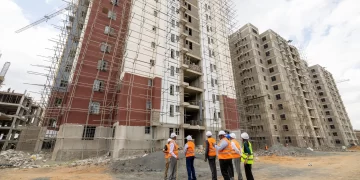
Kenya’s Affordable Housing Programme (AHP), accessible through the Boma Yangu platform, stands as a flagship government initiative to deliver decent, safe, and affordable homes to low- and middle-income...
Read moreDetails