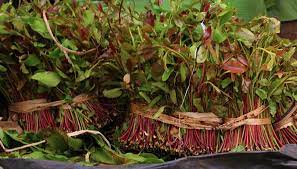
Kenyan miraa farmers are poised for a major economic uplift following the opening of Djibouti’s market to the stimulant crop. The Agriculture and Food Authority (AFA) confirmed on July 23 that an agreement had been reached between Nairobi and Djibouti, unlocking a critical new export destination estimated to be worth hundreds of millions of shillings annually.
The development follows months of diplomatic and technical engagements between the two countries, including a Kenyan trade mission to Djibouti in October 2024 and a follow-up visit by Djiboutian officials in November. This is Kenya’s first successful entry into a new miraa market in more than a decade, and signals a new era for farmers in Meru, Tharaka Nithi, Embu and other highland regions that depend on miraa for livelihoods.
According to AFA Director-General Dr. Bruno Linyiru, the deal is a breakthrough in diversifying Kenya’s miraa export markets, which have been historically over-reliant on Somalia. The Red Sea nation of Djibouti is expected to begin importing at least three tonnes of Kenyan miraa daily, a figure that may appear modest but has significant implications for farm-gate price stability and long-term market security.
Farmers in Meru and surrounding counties have long faced the volatility of the Somali market, where miraa exports often fluctuate due to political instability, unexpected tax policy shifts, and logistical challenges. Somalia has been the primary consumer of Kenyan miraa, purchasing up to 50 tonnes daily, but disruptions like the 2020 import ban dealt devastating blows to thousands of households. The agreement with Djibouti provides an immediate safety net and will cushion farmers from such future shocks.
Economist Dr. Wanjiku Kinoti notes that even a 10 percent expansion in export volume can stabilize local prices and prevent sudden income drops. With farm-gate prices for top grades having doubled in February 2025, the timing of this market expansion is especially fortuitous. Grade One miraa now fetches Ksh1,300 per bundle, up from Ksh700, while Alele grade has increased from Ksh500 to Ksh1,000. Sustained demand from Djibouti could play a key role in maintaining these higher prices, particularly during seasonal lulls or disruptions in Somali trade flows.
The Ministry of Agriculture has emphasized the importance of compliance by exporters. Miraa traders must secure import permits from Djibouti’s Ministry of Trade and meet Kenya’s Crops (Miraa) Regulations of 2023. In addition, exporters will need to implement proper cold-chain logistics to preserve leaf quality. Djibouti’s hot and humid climate can wilt miraa within hours if not carefully transported, and any quality breaches could result in the impounding of consignments or loss of future trade licenses.
Dr. Linyiru lauded the bilateral engagements as a model for agricultural diplomacy, saying the success of the Djibouti deal lies not only in its commercial impact but also in its diplomatic value. The opening of this new corridor enhances social and trade ties between Kenya and Djibouti, while demonstrating Kenya’s capacity to reposition its agricultural products in new regional markets. It also reflects the country’s resilience in the face of past trade bans, most notably the two-year suspension by Somalia from 2020 to 2022.
For growers, the benefits go beyond price and volume. The agreement offers long-term market diversification, something that miraa farmers have demanded for years. This deal reduces dependence on a single buyer and gives Kenya greater leverage in future negotiations with other markets. It also validates Kenya’s decision to formalize miraa under the Crops Act, which in 2016 designated it as a scheduled crop, unlocking regulatory support and development funding.
Miraa production is expanding geographically as well, with counties like Marsabit, Nyeri, Kirinyaga, Makueni, and Laikipia now actively cultivating the crop. These regions stand to benefit from new export demand, especially as Kenya courts additional markets such as Mozambique, Israel, and the Democratic Republic of Congo. Although discussions with these countries are ongoing, Djibouti’s commitment sets a precedent and a potential gateway for further Horn of Africa trade integration.
President William Ruto has reiterated the government’s commitment to support miraa growers, including targeting price-fixing cartels that have historically shortchanged producers. During a visit to Meru on April 2, the president pledged that farmers would be placed at the center of policy decisions and benefit directly from the proceeds of trade. The Djibouti market now offers a concrete platform to make that vision real.
As exporters begin to link up with buyers and arrange shipments through Jomo Kenyatta International Airport, this agreement is expected to inject new momentum into Kenya’s miraa sector. It also strengthens Kenya’s broader agricultural export agenda, proving that with coordinated diplomacy, product standardization, and regulatory compliance, new markets are within reach even for previously marginalized crops.
With hundreds of thousands of Kenyans depending on miraa for income, the Djibouti breakthrough is more than just a trade deal. It is a signal of Kenya’s ability to turn persistent challenges into opportunity and drive inclusive rural growth by opening high-value crops to global markets.

President William Ruto has placed Micro, Small and Medium Enterprises (MSMEs) at the center of Kenya’s economic transformation strategy, recognizing the sector as the backbone of job creation,...
Read moreDetails