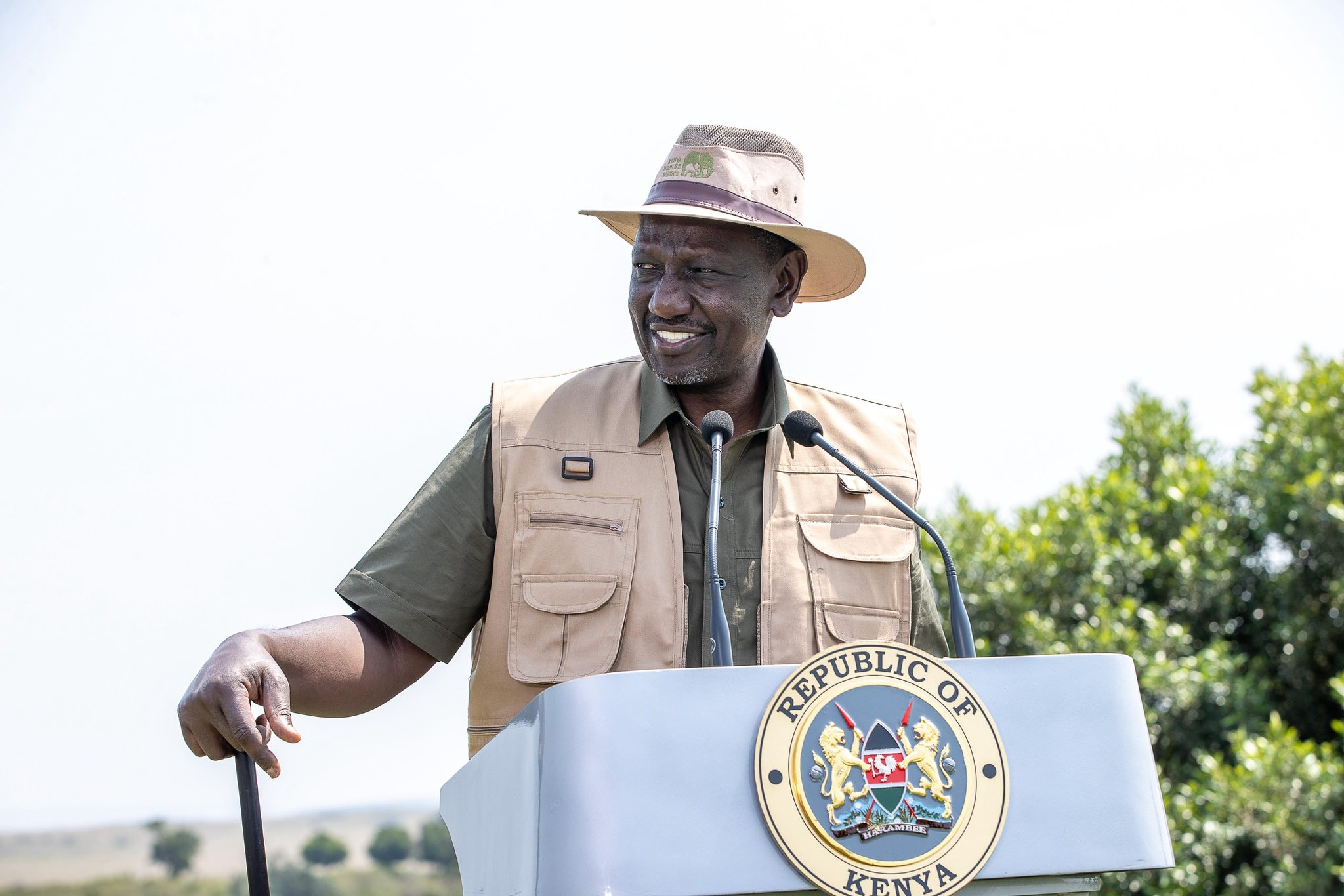
President William Ruto officially launched the 2025 Great Wildebeest Migration in Kenya’s iconic Maasai Mara on July 24, in an event broadcast globally. Declaring Kenya ready to “welcome the world,” the President invited both domestic and international tourists to witness the spectacular natural phenomenon that places the country at the epicenter of global wildlife tourism. The launch, attended by conservationists, government officials, and stakeholders from the tourism industry, underscored Kenya’s determination to position itself as a premier travel destination.
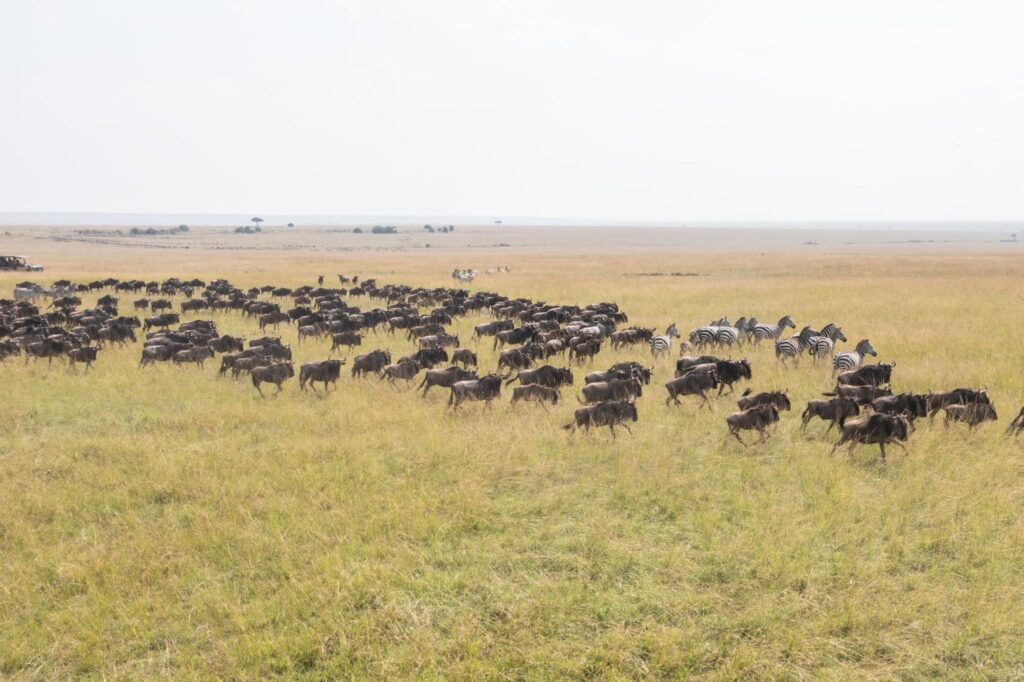
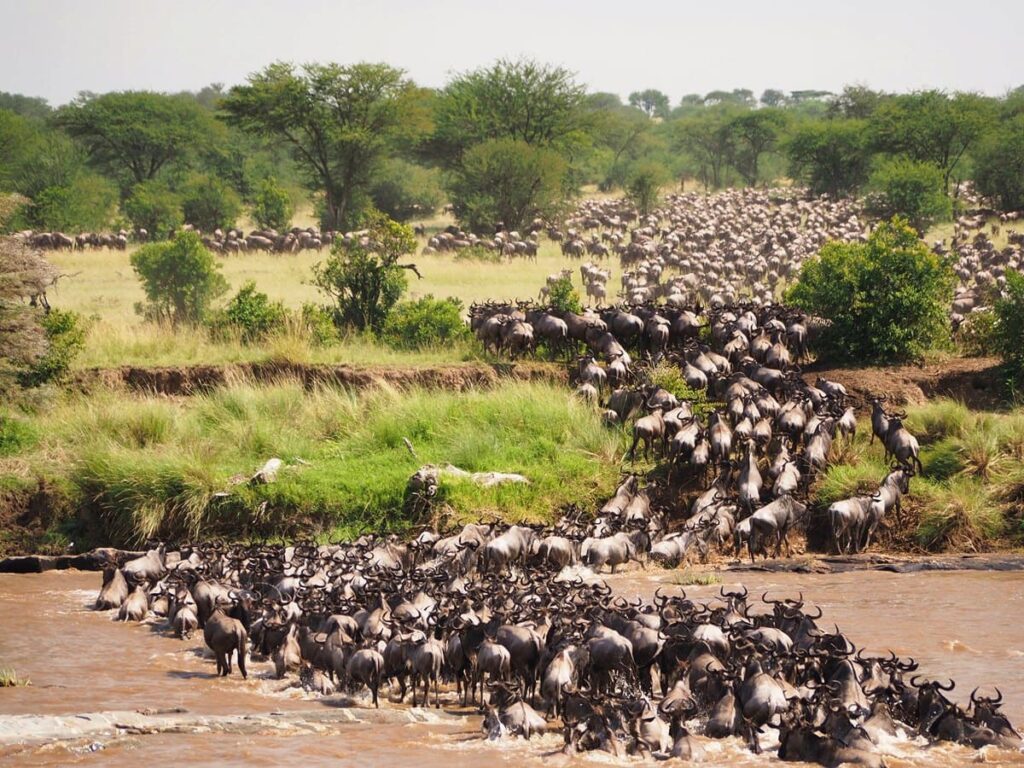
The Great Wildebeest Migration is a majestic natural event that sees over 1.5 million wildebeests, zebras, and gazelles make their way from Tanzania’s Serengeti into Kenya’s Maasai Mara. With predators lurking and rivers swelling, the spectacle captures nature’s raw drama and beauty. The Mara River crossings—where crocodiles lie in wait—remain the migration’s most thrilling moments, drawing thousands of tourists and camera crews each year between July and October.
Speaking in Narok County during the launch, President Ruto hailed the migration as more than just a tourist attraction. “This is the theatre of the Great Wildebeest Migration, one of Earth’s most awe-inspiring and mesmerising natural wonders,” he said. Drawing symbolic parallels, Ruto likened the journey of the wildebeests to Kenya’s own national resilience. “Like them, we have faced adversity. But we keep moving. We adapt, we rise, and we push forward together.”
Ruto reaffirmed his government’s commitment to making tourism a key pillar of economic growth under the Bottom-Up Economic Transformation Agenda (BETA). The Maasai Mara, which attracts more than 400,000 visitors annually, was singled out as a crown jewel in Kenya’s tourism portfolio—where thriving ecosystems support local communities through sustainable tourism. “Tourism here is not just about wildlife. It’s about people, culture, and purpose,” the President emphasized.
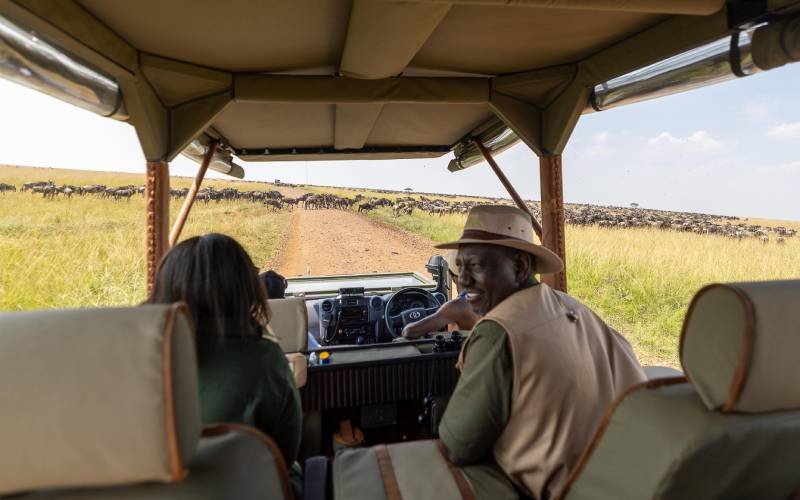
Highlighting Kenya’s rising global appeal, Ruto revealed that the country welcomed 2.4 million international tourists in 2024—a 15% increase from the previous year. He attributed the growth to enhanced infrastructure, security, and collaborative marketing strategies, calling on stakeholders to tap into the growing momentum. “The Mara stands tall—not just for its breathtaking wildlife—but for the warmth of the Maasai people, whose culture and hospitality make this destination unforgettable,” he added.
Kenya’s conservation initiatives also featured prominently in the President’s remarks. He praised efforts in habitat restoration, anti-poaching campaigns, and community stewardship, noting that these initiatives have transformed the Maasai Mara into a global benchmark for sustainable tourism. “Today’s historic broadcast is a reminder of what is possible when vision meets partnership,” Ruto noted, urging the world to “travel with purpose” and protect nature for future generations.
As the migration gains global spotlight, Kenya is poised to reap significant economic benefits from tourist inflows. With domestic travel campaigns already underway and international bookings surging, the government hopes to turn the Maasai Mara and other parks into year-round economic engines. President Ruto’s message was clear: Kenya is open, prepared, and eager to share its unmatched natural heritage with the world.