President William Ruto has announced a sharp reduction in the cost of sexed semen for livestock farmers from Ksh4000 to Ksh1000, beginning July 1. The announcement was made during the 10th Annual Dairy Farmers Field Day in Meru County, marking a significant milestone in the government’s effort to modernize Kenya’s dairy industry and improve farmer incomes.
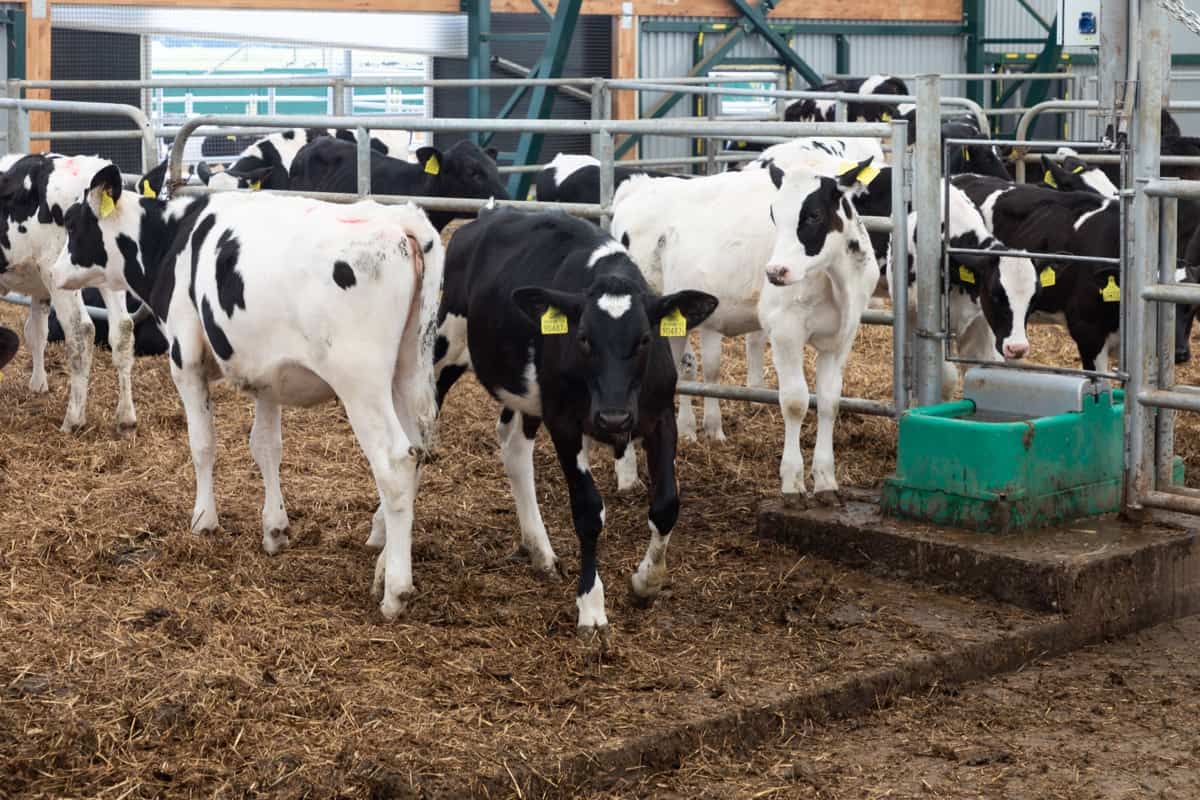
The move is part of broader reforms aimed at strengthening the dairy sector, reducing production costs, and promoting livestock productivity. By making sexed semen more accessible, the government is enabling farmers to strategically grow their herds by increasing the number of heifers, which are essential for milk production.
Sexed semen is a specialized reproductive technology that increases the likelihood of producing female calves. These calves, once mature, become key assets in milk production. The availability of this input at a reduced cost is expected to transform breeding practices and contribute to higher yields across the country.
“My plan is to ensure farmers get optimum returns from their milk. That is why we must ensure they access the best semen at affordable prices,” President Ruto told attendees. He added that this strategic intervention will improve farm productivity, profitability, and herd management across the country.
In addition to the semen subsidy, the government has procured 230 milk coolers that will be distributed nationwide. Fifteen of them will be allocated to Meru County. The President emphasized that the milk coolers will help preserve milk quality, prevent bacterial growth, and extend shelf life, allowing farmers to command better prices and reduce spoilage.
These measures are backed by targeted investments in feed production. The government has allocated an additional Ksh100 million to complete the installation of equipment at the Meru Dairy Cooperative Union’s new animal feed factory. This follows a previous Ksh100 million grant in 2024 for its construction. Once operational, the facility will enable farmers to access affordable, high-quality animal feeds.
President Ruto also directed the Ministry of Agriculture to ramp up national livestock vaccination efforts to protect against mastitis, lumpy skin disease, and foot-and-mouth disease. The campaign, he said, will now extend into Meru County as part of a broader livestock health strategy.
The President revealed that the annual value of Kenya’s milk production rose from Ksh40 billion in 2022 to Ksh59 billion last year. He also noted that milk prices have risen from Ksh35 per litre in 2022 to as high as Ksh53 currently, a result of reforms in agriculture and improved market conditions for farmers.
Meru Central Dairy Cooperative Union CEO Kenneth Gitonga stated that their 146,000 members now produce over 620,000 litres of milk daily. He reaffirmed the union’s commitment to expanding both domestic and export opportunities for milk producers. Cabinet Secretary Wycliffe Oparanya added that the government remains dedicated to ensuring farmers enjoy better prices and wider market access.
President Ruto closed by reiterating that his administration would not be distracted from its development agenda. He stated that the government remains focused on economic transformation through practical investments in agriculture, especially in sectors like dairy that are central to rural livelihoods and national food security.
As these initiatives take effect, Kenya’s dairy industry stands to benefit from a more structured, science-based approach to livestock production. With inputs becoming more affordable and infrastructure improving, farmers are well-positioned to increase output, reduce losses, and earn more from their efforts.
President William Ruto has placed Micro, Small and Medium Enterprises (MSMEs) at the center of Kenya’s economic transformation strategy, recognizing the sector as the backbone of job creation,...
Read moreDetails