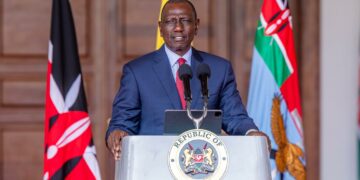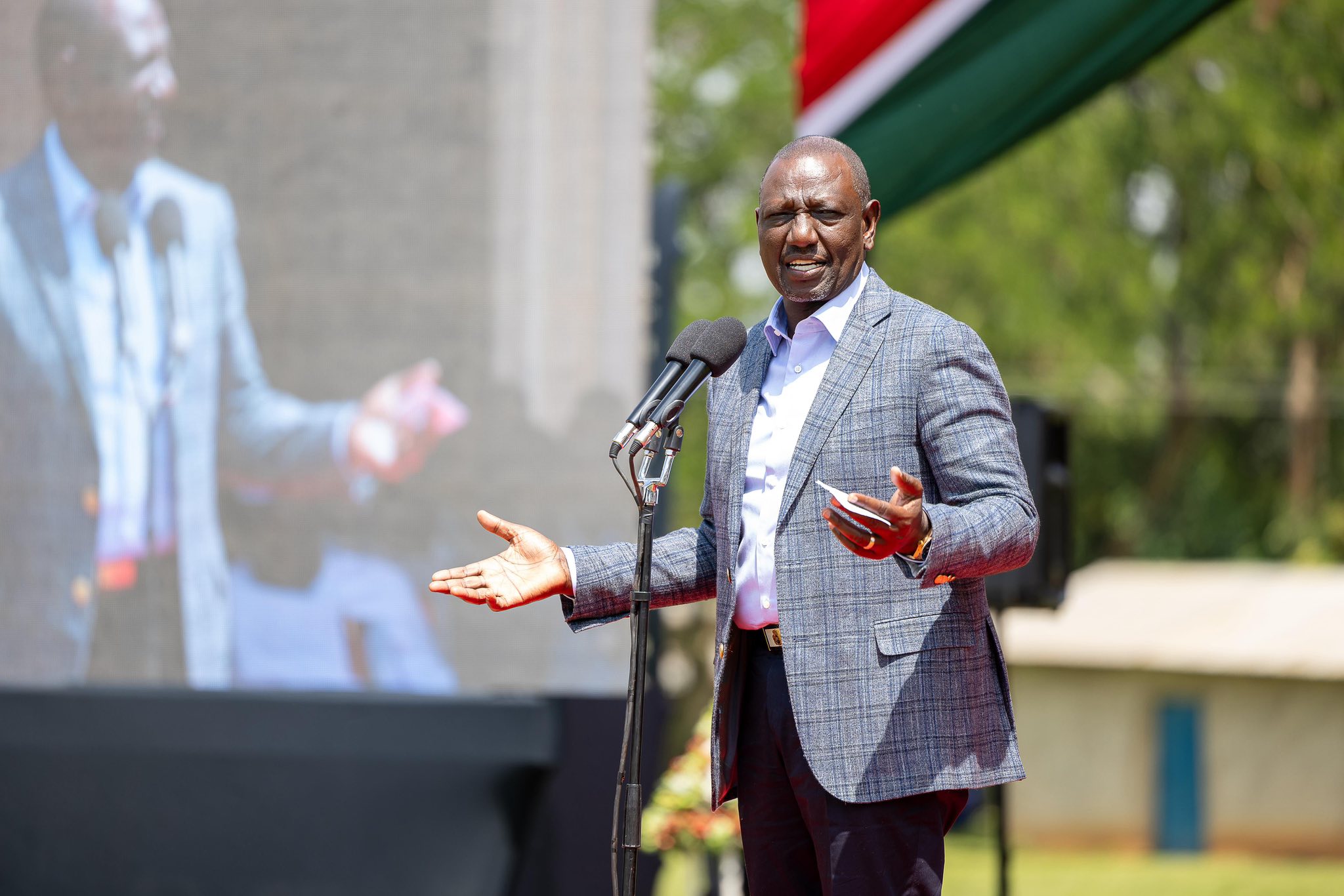
President William Ruto has announced a Sh5 billion grant targeting over 100,000 small and medium-sized enterprises (SMEs) across Kenya, a bold step toward revitalizing grassroots businesses and spurring job creation. The initiative, in partnership with the World Bank, will provide Sh50,000 grants to 70 SMEs in each of the 1,450 wards nationwide, injecting Sh3.5 million per ward into local economies.
Speaking during an interdenominational service in Likuyani, Kakamega County, President Ruto emphasized that the SME support program is a cornerstone of his administration’s bottom-up economic transformation agenda. He said the grant is designed to empower small traders and entrepreneurs who form the backbone of Kenya’s economy. “This empowerment is not a façade,” he said, “It is a clear commitment to uplifting Kenyans at the grassroots.”
President Ruto credited his administration’s inclusive approach and unity of purpose as key drivers of national progress. He called for continued cooperation among leaders and citizens to ensure the successful rollout of programs such as agricultural reforms, universal health coverage, and affordable housing—initiatives that are already reshaping lives and livelihoods.
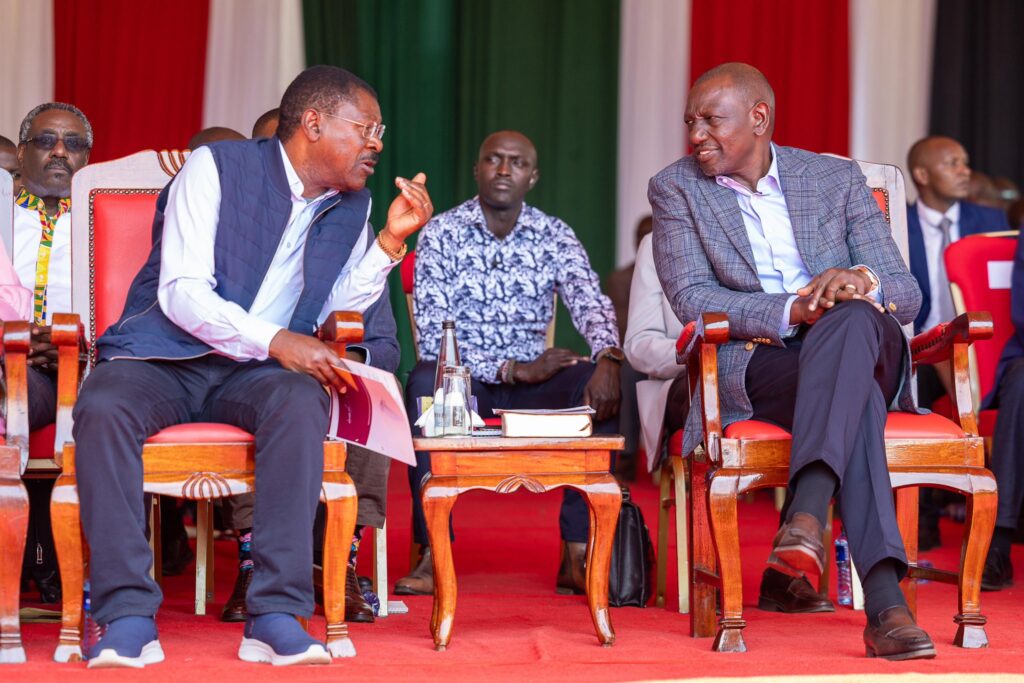
To critics of his government’s development plan, the President dismissed their opposition as lacking substance. “They don’t have an alternative plan,” Ruto said, “They only promote slogans and division.” He stressed that his government’s focus remains on practical solutions—lowering the cost of living, improving service delivery, and creating employment.
He noted that reforms in the agriculture sector have improved earnings for farmers, particularly through subsidized fertilizer and strategic investments in maize, sugar, and coffee farming. He urged Kenyans to also register with the Social Health Authority (SHA), which has already facilitated medical services worth Sh41 billion for 4.5 million citizens since October 2024.
On employment, President Ruto highlighted progress made in job creation through the Affordable Housing Programme, investments in fresh produce markets, digital platforms, and the export of Kenyan labor abroad. “As we speak, over 400,000 young people are working in different parts of the world,” he said, citing this as evidence of a government committed to empowering youth.
Ruto also affirmed his commitment to infrastructural growth in Kakamega and the broader Western region. He announced Sh3 billion for electricity connections and confirmed the resumption of stalled road projects. The upcoming dualling of the Rironi-Mau Summit-Malaba highway and the Standard Gauge Railway extension to Western Kenya are further proof of the government’s effort to spread development evenly and equitably across the country.